A tooth can hurt for many reasons. Sometimes it is a small cavity or temporary sensitivity. But when pain becomes persistent, intense, or starts affecting how you eat and sleep, your tooth may be dealing with a deeper problem.
One of the most common concerns in this situation is an infection or inflammation inside the tooth. In some cases, a root canal treatment may be needed to remove the infected tissue and save the natural tooth.
So, how do you know when ordinary tooth pain has become something more serious?
Here are 10 signs you need a root canal that are worth paying attention to.
What Is a Root Canal?
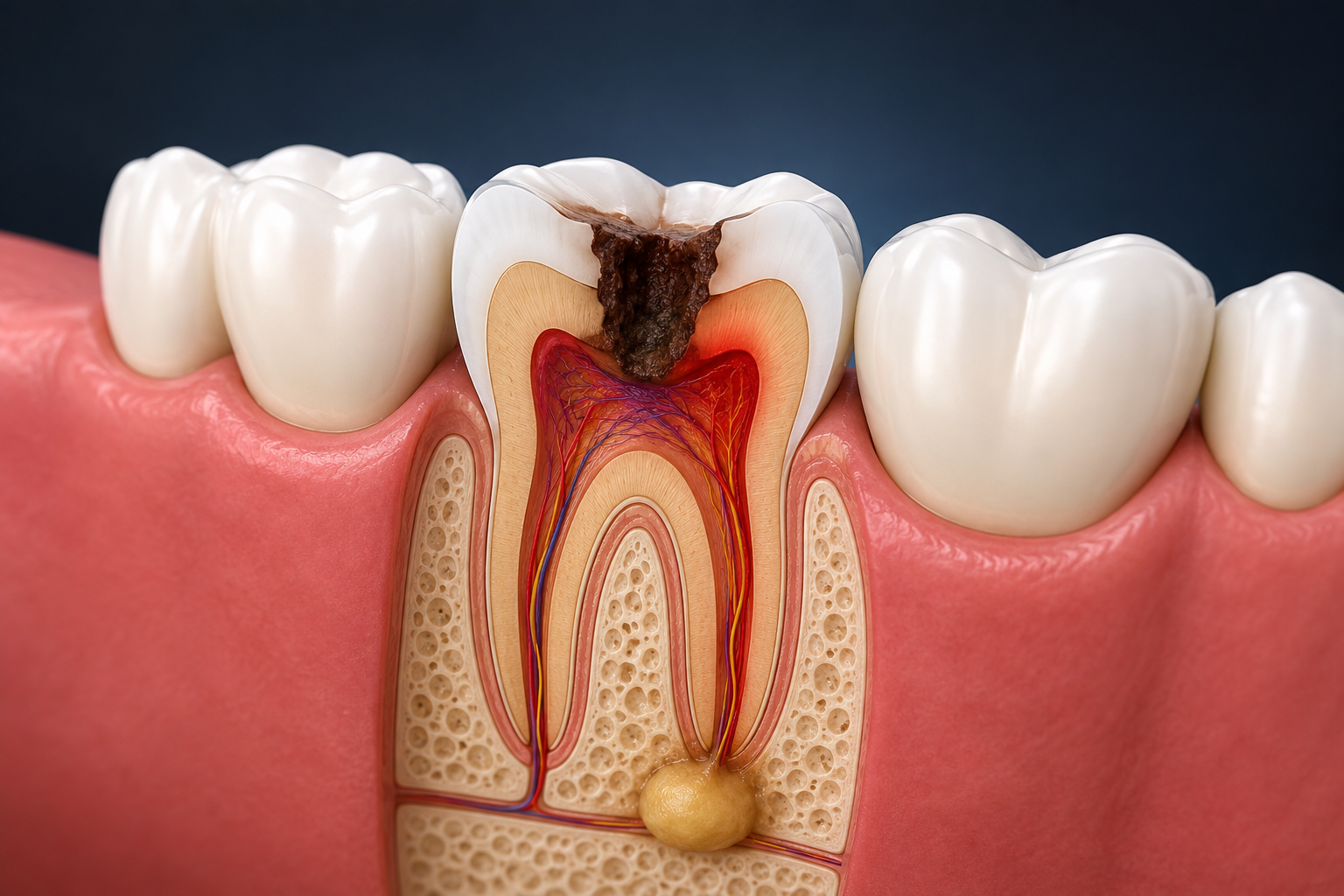
A root canal is a dental treatment used when the soft tissue inside a tooth, called the pulp, becomes severely inflamed or infected.
The pulp contains nerves and blood vessels. If deep decay, trauma, or another problem allows bacteria to reach the pulp, it can result in tooth infection, significant pain, and eventually damage to the surrounding tissues.
During root canal treatment, the dentist removes the affected pulp, cleans and disinfects the inside of the tooth, and seals it to help prevent further infection.
Importantly, tooth pain does not automatically mean you need a root canal. A dentist needs to examine the tooth and determine what is causing the symptoms.
10 Signs You Need a Root Canal
1. Severe or Persistent Tooth Pain
One of the most noticeable root canal symptoms is significant tooth pain that does not settle down.
You may experience:
- Constant aching
- Sharp or throbbing pain
- Pain that comes and goes repeatedly
- Pain that becomes worse over time
- Discomfort that interferes with sleep or daily activities
Pain intensity can vary from person to person, so even moderate but persistent pain deserves attention.
2. Prolonged Sensitivity to Hot or Cold
A brief reaction to cold water or hot food isn’t necessarily a sign of serious dental disease.
The concern is when the sensitivity lingers after the hot or cold stimulus is removed.
For example, you drink something cold and expect the discomfort to disappear quickly, but the tooth continues to ache for several seconds or even longer.
This type of prolonged sensitivity can indicate irritation or damage to the dental pulp.
3. Pain When You Bite or Chew
Does one particular tooth hurt whenever you bite down?
Pain while chewing can be associated with inflammation inside the tooth or problems around the tooth’s supporting tissues.
You may notice that you instinctively chew on the opposite side because putting pressure on the affected tooth is uncomfortable.
Persistent biting pain should be evaluated rather than managed by simply avoiding that side of your mouth.
4. Swollen or Tender Gums
Swelling around a painful tooth can be another warning sign.
The gum may appear:
- Red or puffy
- Tender when touched
- Swollen around a specific tooth
- More uncomfortable when chewing
Swelling can occur when infection spreads beyond the inside of the tooth into the surrounding tissues.
5. A Small Pimple or Bump on the Gum
Have you noticed a small bump appearing on your gum near a particular tooth?
It could be associated with drainage from an infection.
Sometimes these bumps are not particularly painful, which can make them easy to ignore. However, the absence of severe pain does not necessarily mean the underlying problem has disappeared.
A recurring bump near a tooth should be examined by a dentist.
6. Darkening or Discoloration of the Tooth
A tooth that becomes noticeably darker than the teeth around it deserves attention, particularly if it has previously suffered an injury.
Changes in tooth color can sometimes occur when the pulp inside a tooth has been damaged.
Discoloration alone does not confirm that a root canal is necessary, but when it occurs alongside pain, sensitivity, or swelling, it becomes more important to get the tooth checked.
7. A Tooth That Feels Extremely Sensitive
Not all sensitivity is the same.
If a particular tooth becomes unusually sensitive and the discomfort is getting progressively worse, there may be an underlying dental problem that requires treatment.
Pay attention to whether sensitivity occurs spontaneously or whether it is triggered by eating, drinking, biting, or touching the tooth.
Keeping track of these patterns can also help your dentist understand what you are experiencing.
8. A History of Deep Decay or a Large Cavity
Deep tooth decay can eventually reach the pulp.
A cavity may initially cause little or no discomfort. As decay progresses deeper into the tooth, however, bacteria can reach the pulp and cause inflammation or infection.
If you already know that you have a large or deep cavity and have started experiencing severe tooth pain, don’t wait for the symptoms to become unbearable before seeking dental care.
Early evaluation can help determine whether the tooth can be treated conservatively or requires more extensive treatment.
9. Previous Trauma or Injury to the Tooth
A tooth can develop problems after an accident, sports injury, fall, or other impact—even if it looked fine immediately afterward.
Trauma can damage the pulp inside the tooth. In some situations, symptoms may appear later rather than immediately after the injury.
If a previously injured tooth begins changing color, becoming painful, or developing sensitivity, have it evaluated by a dentist.
10. Pain That Spreads to the Jaw, Ear, or Nearby Areas
Dental pain isn’t always easy to pinpoint.
An affected tooth may cause discomfort that seems to spread toward the jaw, ear, or surrounding teeth. This can make it difficult to identify which tooth is actually responsible.
If you have persistent pain combined with other root canal symptoms, professional evaluation is important rather than assuming the problem is coming from another area.
Can a Tooth Infection Go Away on Its Own?
A tooth infection should not be assumed to resolve simply because the pain temporarily disappears.
In some cases, the nerve inside a severely damaged tooth may stop functioning. This can reduce pain temporarily, but the underlying infection or damage may still require treatment.
That’s why a sudden improvement in pain isn’t always a sign that the problem has been solved.
If you have experienced several of the signs you need a root canal described above, schedule a dental examination even if the discomfort has recently reduced.
Root Canal vs. Tooth Extraction: Why Saving the Tooth Matters
When a tooth is badly infected, patients sometimes immediately assume that extraction is the only option.
However, when a tooth can be successfully treated and restored, a root canal may allow you to keep your natural tooth.
The appropriate treatment depends on factors such as the condition of the tooth, the extent of infection or damage, and whether the tooth can be restored effectively.
Your dentist can assess these factors and explain the available options.
When Should You See a Dentist?
Don’t wait until tooth pain becomes unbearable.
You should arrange a dental evaluation if you experience:
- Persistent or severe toothache
- Prolonged hot or cold sensitivity
- Pain while biting
- Swelling around a tooth
- A recurring gum bump
- Tooth discoloration
- Symptoms following dental trauma
- Signs that suggest a possible tooth infection
Seek urgent dental attention if swelling is significant or you develop symptoms that suggest the infection may be spreading.
Frequently Asked Questions
How do I know if I need a root canal?
Common signs you need a root canal can include persistent tooth pain, prolonged sensitivity to hot or cold, pain when biting, swelling, gum tenderness, tooth discoloration, and symptoms associated with an infection. Only a dental examination can determine whether root canal treatment is actually necessary.
Is severe tooth pain always a sign that I need a root canal?
No. Severe tooth pain can have several causes, including deep decay, cracked teeth, gum problems, or other dental conditions. A dentist needs to identify the source of the pain before recommending treatment.
Can you need a root canal without having pain?
Yes. Some damaged or infected teeth may cause little pain or may stop hurting after the nerve inside the tooth becomes severely damaged. Other signs, such as discoloration, swelling, or a gum bump, may still indicate a problem.
How long can you wait if you think you need a root canal?
It is better not to delay a dental evaluation when you have persistent symptoms. Waiting can allow an underlying problem to progress and may make treatment more complicated.
Does sensitivity to cold mean I need a root canal?
Not necessarily. Temporary sensitivity can have several causes. However, prolonged sensitivity, especially when accompanied by pain or other symptoms, should be evaluated by a dentist.
Can a tooth infection spread?
Yes. An untreated dental infection can extend into surrounding tissues and potentially cause more serious complications. This is why symptoms such as swelling, persistent pain, or a recurring gum bump should not be ignored.
The Bottom Line
Knowing the signs you need a root canal can help you recognize when tooth pain may be more than a minor dental issue.
Persistent pain, prolonged sensitivity, discomfort while chewing, swelling, discoloration, and other warning signs don’t necessarily mean that root canal treatment is required—but they do mean your tooth deserves professional attention.
The sooner the cause is identified, the sooner you can understand your treatment options and work toward protecting your natural tooth.
If you’re experiencing ongoing tooth pain or root canal symptoms, don’t rely on painkillers or simply wait for the discomfort to disappear. A dental examination is the best way to find out what is actually happening and whether treatment is needed.