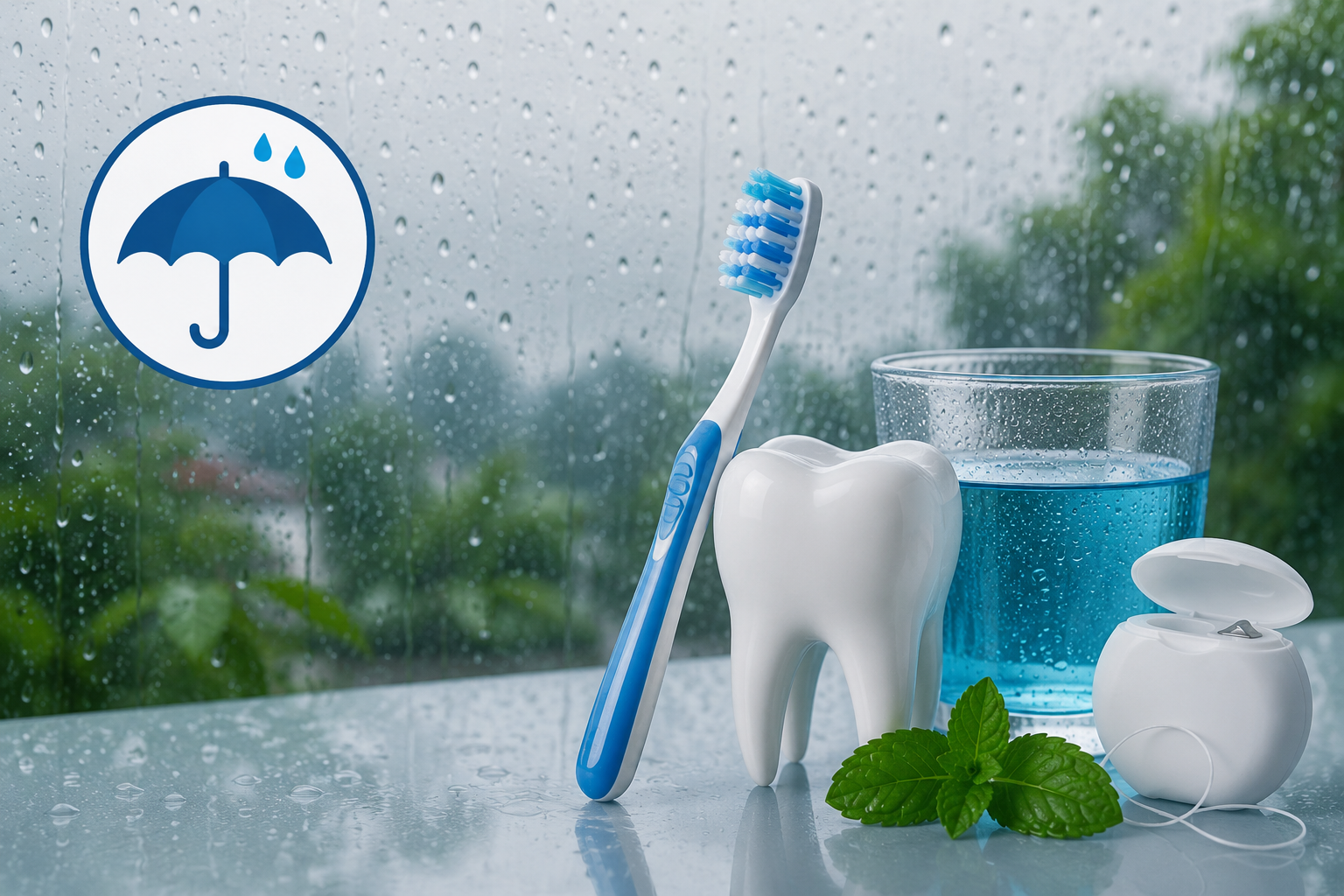
 The monsoon season brings welcome relief from the summer heat, but it also creates conditions that can affect your overall health, including your oral health. Increased humidity, fluctuating temperatures, contaminated food and water, and seasonal infections can all contribute to a variety of dental concerns.
Many people focus on protecting themselves from common rainy season health issues such as colds, flu, and stomach infections, while overlooking the impact of monsoon on their teeth and gums. Unfortunately, neglecting oral care during this season can lead to discomfort, infections, and long term dental complications.
Understanding the connection between the rainy season and oral health can help you take the right preventive measures and maintain a healthy smile throughout the season.
Why Is Oral Health During Monsoon More Vulnerable?
Oral health during monsoon can be affected by several environmental and lifestyle factors. The increased moisture in the atmosphere encourages bacterial growth, while seasonal dietary changes often include more sugary snacks, fried foods, and hot beverages.
At the same time, reduced water intake during cooler weather may lead to dry mouth, creating an environment where harmful bacteria can thrive. These conditions can increase the risk of dental issues that may otherwise remain under control during other seasons.
Common Oral Health Problems During Monsoon
1. Gum Infection
One of the most common dental concerns during the rainy season is gum infection.
The increased presence of bacteria in the mouth can irritate gum tissues, leading to redness, swelling, tenderness, and bleeding while brushing. If left untreated, a mild gum infection can progress into more serious periodontal disease.
Signs of Gum Infection
Swollen or puffy gums
Bleeding during brushing or flossing
Persistent bad breath
Gum tenderness
Receding gums
Maintaining proper oral hygiene and scheduling regular dental checkups can help prevent these complications.
2. Mouth Ulcers
Another common problem associated with monsoon is the occurrence of mouth ulcers.
Mouth ulcers are small painful sores that develop inside the cheeks, lips, tongue, or gums. During monsoon, changes in immunity, nutritional deficiencies, stress, and seasonal infections may contribute to their development.
Symptoms of Mouth Ulcers
Pain while eating or drinking
Burning sensation in the mouth
Difficulty speaking comfortably
White or yellow sores with red borders
Although most mouth ulcers heal on their own, recurrent ulcers may require professional evaluation to identify underlying causes.
3. Bad Breath
Bad breath tends to become more noticeable during monsoon due to bacterial buildup and reduced saliva production.
Saliva plays a critical role in washing away food particles and bacteria. When saliva levels decrease, odor causing bacteria multiply more easily, resulting in persistent bad breath.
4. Tooth Sensitivity
Many individuals experience increased tooth sensitivity during monsoon. Changes in temperature combined with underlying enamel wear or gum recession can expose sensitive areas of the teeth.
Common triggers include:
Hot tea or coffee
Cold beverages
Sweet foods
Acidic foods
Ignoring sensitivity may allow hidden cavities or gum problems to worsen over time.
5. Increased Risk of Tooth Decay
Frequent snacking, sugary foods, and poor oral hygiene can increase the risk of cavities during the rainy season.
Bacteria feed on sugar and produce acids that gradually weaken tooth enamel. Without proper brushing and flossing, these acids can lead to tooth decay and dental pain.
How to Maintain Effective Monsoon Dental Care
Good monsoon dental care focuses on prevention. A few simple habits can significantly reduce the risk of seasonal dental problems.
Brush Thoroughly Twice Daily
Brushing remains the foundation of oral health.
Use a soft bristled toothbrush and fluoride toothpaste to remove plaque and food debris effectively. Spend at least two minutes brushing every morning and before bedtime.
Pay special attention to the gumline, where bacteria tend to accumulate.
Do Not Skip Flossing
Many people brush regularly but neglect flossing.
Flossing removes food particles and plaque from areas that a toothbrush cannot reach. This helps reduce the risk of gum infection and cavities.
Daily flossing is particularly important during monsoon when bacterial growth tends to increase.
Stay Hydrated
Even though temperatures are cooler, your body still requires adequate hydration.
Drinking sufficient water helps:
Maintain saliva production
Wash away food particles
Reduce bacterial growth
Prevent dry mouth
Hydration plays a crucial role in supporting healthy teeth and gums.
Choose Seasonal Foods Wisely
Monsoon often increases cravings for fried and sugary foods. While occasional indulgence is fine, excessive consumption can negatively impact oral health.
Instead, include:
Fresh fruits
Leafy vegetables
Dairy products
Foods rich in vitamin C
Foods rich in calcium
A balanced diet supports stronger teeth and healthier gums.
Avoid Excessive Sugar Consumption
Sugar remains one of the leading contributors to tooth decay.
Limiting sweets, sugary beverages, and processed snacks can help reduce acid production in the mouth and lower cavity risk.
Rinse After Meals
Rinsing your mouth with water after eating helps remove food particles and neutralize acids.
This simple habit can be especially beneficial when brushing is not immediately possible.
Special Care for Mouth Ulcers During Monsoon
If you experience mouth ulcers, consider the following steps:
Maintain Good Oral Hygiene
Keeping the mouth clean reduces irritation and supports faster healing.
Avoid Spicy and Acidic Foods
Certain foods can aggravate ulcers and increase discomfort.
Try to limit:
Spicy dishes
Citrus fruits
Carbonated beverages
Highly acidic foods
Monitor Recurring Ulcers
Occasional ulcers are common, but frequent occurrences may indicate nutritional deficiencies, immune related concerns, or underlying medical conditions.
Professional evaluation can help identify the cause and recommend appropriate treatment.
When Should You Visit a Dentist?
Many seasonal oral health problems begin with mild symptoms that are easy to ignore.
However, you should seek professional care if you experience:
Persistent gum bleeding
Severe tooth pain
Ongoing bad breath
Frequent mouth ulcers
Swollen gums
Tooth sensitivity that worsens over time
Early intervention often prevents more complex and costly dental treatments later.
Essential Oral Hygiene Tips for the Monsoon Season
These practical oral hygiene tips can help protect your smile throughout the rainy season:
Replace Your Toothbrush Regularly
A worn toothbrush is less effective at removing plaque and bacteria.
Replace it every three months or sooner if the bristles become frayed.
Clean Your Tongue Daily
The tongue can harbor bacteria responsible for bad breath and oral infections.
Using a tongue cleaner helps maintain better oral hygiene.
Use an Antibacterial Mouthwash
An antibacterial mouthwash can help reduce bacterial buildup and support healthier gums.
Maintain Consistent Dental Checkups
Regular dental visits allow early detection of cavities, gum disease, and other concerns before they become serious.
Conclusion
Maintaining strong oral health during monsoon requires a combination of good hygiene practices, healthy dietary choices, and timely professional care. Seasonal conditions can increase the risk of gum infection, mouth ulcers, bad breath, tooth sensitivity, and cavities, but most of these problems are preventable with the right approach.
By following effective monsoon dental care practices and incorporating simple oral hygiene tips into your daily routine, you can protect your teeth and gums throughout the rainy season. If you notice persistent symptoms or discomfort, consulting a dental professional early can help ensure your smile remains healthy, comfortable, and confident all year round.