
Reclaim Your Bite, Your Smile, and Your Quality of Life
When dental problems extend beyond a single cavity or a missing tooth, they can affect chewing, speaking and confidence. Severe tooth wear, acid erosion, advanced gum disease or traumatic injury may require a comprehensive, phased treatment plan.
At Dental Dynasty in Malad West, we provide Full Mouth Rehabilitation (Full Mouth Reconstruction). Under the leadership of Periodontist and Implantologist Dr. Megh Mehta, our team plans treatment around your teeth, gums, jaw joints and facial structure to help restore oral function and the appearance of your smile.
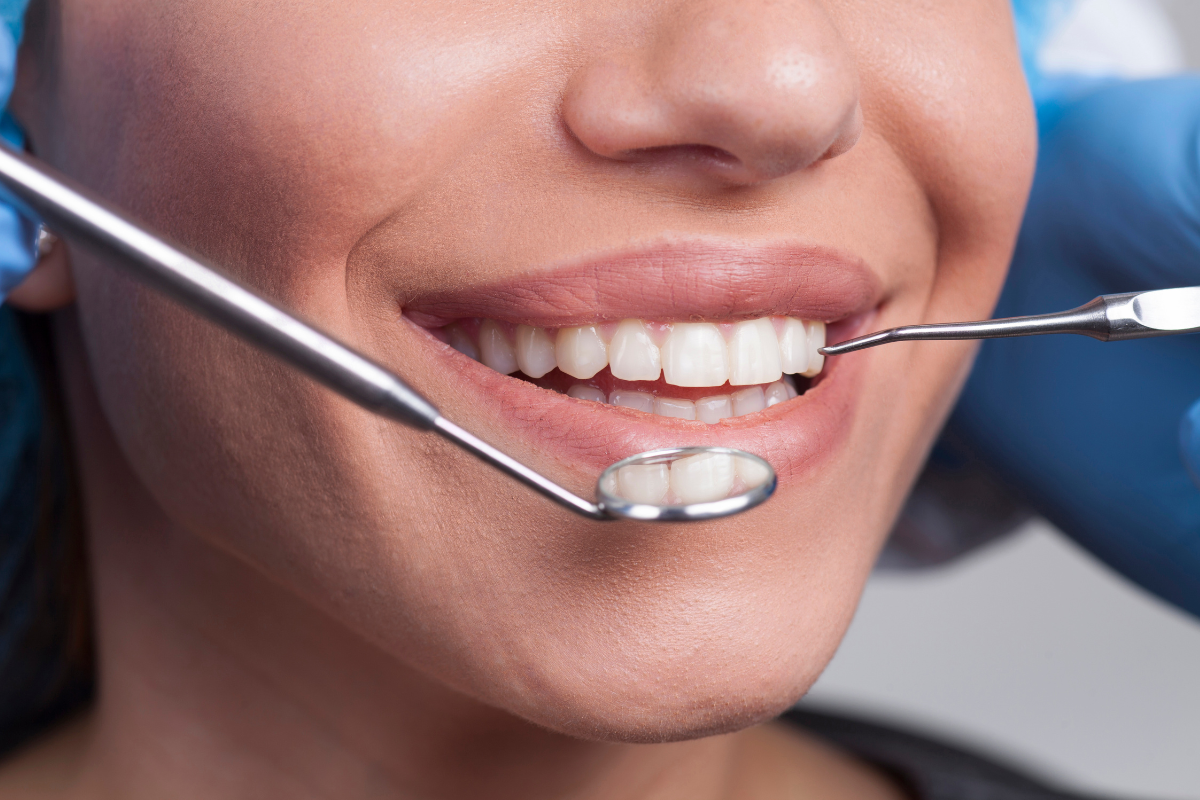
Who Needs Full Mouth Rehabilitation?
Full mouth rehabilitation is not a single procedure. It is a customized combination of treatments designed to restore the function, health and appearance of your complete smile.
Signs You May Need Comprehensive Reconstruction
Our Blueprint for Total Restoration
Full mouth rehabilitation requires careful planning. Your dentist assesses your needs and develops a treatment sequence before restorative procedures begin.
Comprehensive Diagnostics & 3D Mapping
Assessment may include X-rays, CBCT scans, digital impressions and bite analysis to evaluate bone structure, teeth and the relationship between your jaws.
Disease Control & Foundation Building
Treatment may include managing gum disease, removing teeth that cannot be saved, root canal treatment or bone grafting where clinically appropriate.
Bite Registration & Smile Design
Your bite and planned smile are assessed. Temporary restorations may be used to evaluate comfort, function and appearance before final restorations are made.
Final Structural Restoration
Depending on your plan, treatment may include dental implants, crowns, bridges, veneers or dentures to help restore oral function and the appearance of your smile.
Why Dental Dynasty for Complex Cases?
Complex full mouth rehabilitation may involve several dental specialties. Treatment can be coordinated across periodontics, implantology, prosthodontics and endodontics, depending on the patient's needs.
Your treatment may involve Dr. Megh Mehta for periodontal care and implantology, alongside prosthodontic care for crowns and bite alignment and endodontic care for root canal treatment. The recommended team and sequence depend on your individual clinical assessment.
What Treatments Can Be Part of Full Mouth Rehabilitation?
Full mouth rehabilitation does not follow a fixed treatment plan. Depending on your dental condition, it may involve dental implants, crowns, bridges, root canal treatment, periodontal therapy, fillings, dentures, veneers or other restorative procedures. The treatment sequence is determined after a comprehensive clinical assessment.
What Is the First Step in Full Mouth Rehabilitation?
Treatment begins with an assessment of your teeth, gums, bite and overall oral health. Your dentist may recommend photographs, digital impressions, X-rays or 3D CBCT imaging before preparing a phased treatment plan.
Considerations and Limitations
Full mouth rehabilitation is an individualized treatment process and may require several appointments over an extended period. The treatment plan, duration and outcome depend on the condition of the teeth and gums, bone availability, bite, healing response, overall health and procedures required. Your dentist should discuss benefits, risks, alternatives and ongoing maintenance before treatment begins.
Frequently Asked Questions
The timeline depends on the procedures required. Some restorative cases may take a few weeks, while cases involving implants, bone grafting or healing periods can take several months. Your dentist can estimate the timeline after examining your needs.
Local anaesthesia is commonly used for procedures that require it. Some soreness or discomfort may occur during recovery, depending on the treatment. Your dental team can explain comfort measures and aftercare for your specific plan.
A smile makeover generally focuses on the appearance of the smile. Full mouth rehabilitation addresses broader oral health and functional concerns, such as damaged teeth, missing teeth and bite problems. Both can include aesthetic improvements.
Yes. Implants are not required in every case. Depending on your dental condition, treatment may involve crowns, bridges, dentures, restorative treatment, periodontal care or other procedures.
Age alone does not determine suitability. Your dentist will consider your oral health, medical history, bone and gum condition, treatment needs and ability to maintain the restorations.
The consequences depend on the underlying dental problems. Untreated decay, gum disease, tooth wear and missing teeth may progress over time and can sometimes make future treatment more complex.
Long-term maintenance typically includes regular dental examinations, professional cleaning when recommended, good daily oral hygiene and following your dentist's advice for protecting and maintaining your restorations.
Have more questions about your treatment options?
Book Consultation