
Everyone gets bad breath occasionally. A strong cup of coffee, garlic-heavy meal, or a morning without brushing can leave your breath smelling less than fresh.
But what if the smell keeps coming back—even after brushing, flossing, using mouthwash, and chewing gum?
That is when you should stop treating bad breath as a cosmetic problem.
Persistent bad breath, also called halitosis, can sometimes point to an underlying dental issue such as plaque buildup, gum disease, tooth decay, infection, or dry mouth. In some cases, the cause may be outside the mouth altogether.
The good news is that chronic bad breath is usually manageable once its actual cause is identified.
What Is Chronic Bad Breath?
Chronic bad breath is persistent unpleasant breath odor that continues or repeatedly returns despite regular oral hygiene.
Temporary bad breath is normal. Chronic halitosis is different because the odor does not disappear for long, even when you brush your teeth or use breath-freshening products.
This distinction matters because repeatedly masking the smell does not necessarily solve the underlying problem.
If your breath stays unpleasant for weeks, keeps returning shortly after brushing, or is accompanied by other oral symptoms, it is worth getting checked by a dentist.
Why Does Bad Breath Keep Coming Back?
There isn’t always one obvious cause. Several common dental and lifestyle factors can contribute.
1. Bacteria on the tongue
Your tongue has a rough surface that can trap food particles and bacteria. These bacteria can produce foul-smelling compounds.
This is one reason brushing your teeth alone may not completely solve persistent bad breath.
Gently cleaning your tongue as part of your daily oral hygiene routine can help reduce the bacterial buildup responsible for unpleasant odors.
2. Plaque and poor oral hygiene
Food particles left between teeth provide fuel for bacteria. Over time, plaque can accumulate around the teeth and gums.
If brushing and cleaning between the teeth are inconsistent, the bacterial buildup can contribute to ongoing bad breath.
For some people, improving daily brushing and flossing makes a noticeable difference. For others, professional dental cleaning may be necessary when buildup has become difficult to remove at home.
3. Gum disease
One of the biggest reasons persistent bad breath should not be ignored is gum disease.
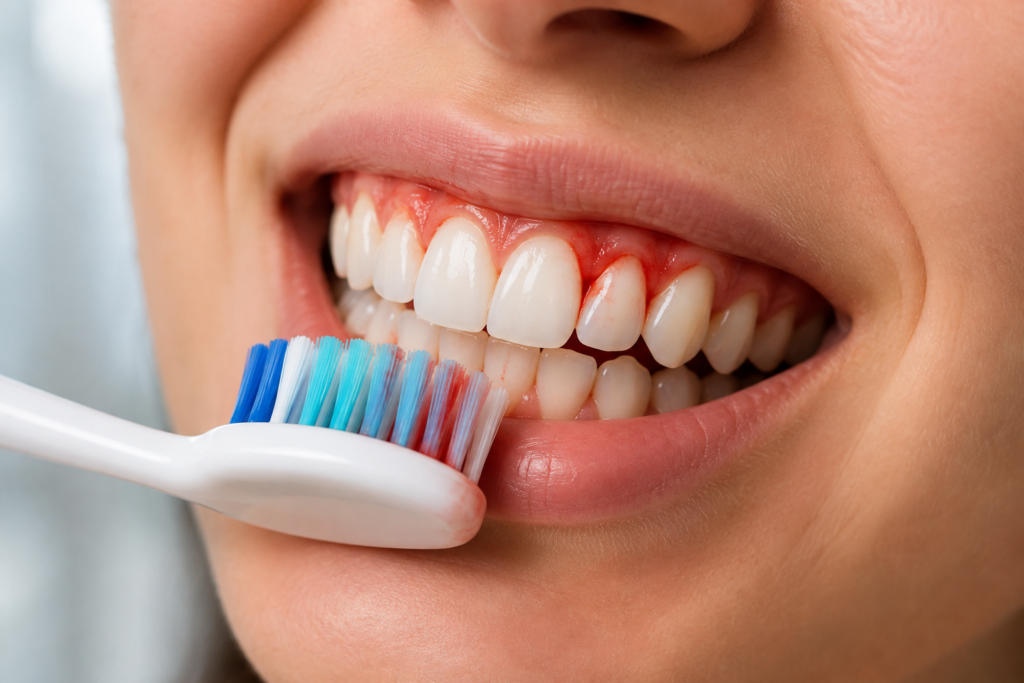
Gingivitis and more advanced periodontal disease can cause bacteria to accumulate around the gums. You may also notice:
- Bleeding while brushing or flossing
- Swollen or tender gums
- Persistent bad taste
- Receding gums
- Loose teeth
- Breath that remains unpleasant despite brushing
If bad breath is accompanied by these symptoms, don’t keep buying stronger mouthwash and hoping for the best. A dental examination is the more sensible next step.
4. Cavities or dental infections
A decayed tooth can trap food and bacteria, creating an unpleasant smell or taste.
Dental infections may also produce persistent odor, particularly when accompanied by pain, swelling, sensitivity, or discharge.
In these situations, breath fresheners are only covering the symptom. The underlying dental problem needs to be treated.
5. Dry mouth
Saliva naturally helps wash away food particles and bacteria. When your mouth does not produce enough saliva, bacteria can accumulate more easily.
Dry mouth may be associated with certain medications, mouth breathing, dehydration, or other health conditions.
If you frequently wake up with a very dry mouth or feel that your mouth stays dry throughout the day, mention it to your dentist.
6. Smoking and tobacco use
Tobacco can contribute directly to unpleasant breath and also increase the risk of gum disease.
If you smoke or use tobacco and have persistent halitosis, improving oral hygiene alone may not fully resolve the problem.
When Should You See a Dentist for Bad Breath?
A practical rule is simple:
If you’ve improved your oral hygiene and persistent bad breath still doesn’t go away, schedule a dental appointment.
You should be particularly proactive if bad breath occurs along with:
- Bleeding or swollen gums
- Tooth pain or sensitivity
- Persistent dry mouth
- Loose teeth
- Pus or swelling around a tooth or gum
- A constant bad taste
- Visible plaque or tartar buildup
- Bad breath that keeps returning shortly after brushing
You don’t need to wait until the problem becomes embarrassing or severe.
What Happens During a Bad Breath Dental Appointment?
Many people avoid seeing a dentist because they assume the appointment will involve complicated tests.
Usually, the first step is much more straightforward.
Your dentist may ask when the problem started, whether it is constant, how often you brush and floss, what medications you take, and whether you experience dry mouth or other symptoms.
They can then examine your teeth, gums, tongue, and other areas of the mouth for potential sources of the odor.
The goal is not simply to confirm that you have bad breath. It is to determine why you have it.
That distinction is important because the right halitosis treatment depends on the cause.
What Does Chronic Bad Breath Treatment Involve?
There is no single treatment that works for everyone.
If plaque or tartar is contributing to the problem, professional cleaning and better home care may help.
If gum disease is responsible, treatment may focus on controlling the infection and restoring gum health.
If tooth decay or another dental problem is involved, that condition needs to be addressed.
For some patients, a dentist may also recommend a therapeutic mouthwash rather than a product that simply masks the odor.
The important point is that effective chronic bad breath treatment targets the source rather than simply covering the smell.
Is Mouthwash Enough for Bad Breath?
Usually, no—not if there is an underlying dental problem.
Some mouthwashes primarily provide a temporary fresh sensation. Others contain ingredients designed to help control bacteria or other contributors to bad breath.
Mouthwash can be useful as part of an oral hygiene routine, but it should not replace brushing, cleaning between the teeth, tongue cleaning, or professional dental care when needed.
Think of it this way: if a tooth is decayed or your gums are infected, making your mouth smell minty for an hour doesn’t fix the tooth or gums.
What Can You Do at Home?
While waiting for a dental appointment—or as part of your normal routine—focus on the basics.
Build a consistent oral hygiene routine
- Brush your teeth twice a day.
- Clean between your teeth every day.
- Gently clean your tongue.
- Drink enough water.
- Keep dentures, retainers, or other oral appliances clean.
- Avoid tobacco.
- Pay attention to persistent dry mouth.
Also consider how your breath changes throughout the day. Does it become worse after meals? When you wake up? After long periods without drinking water? These details can help your dentist identify possible triggers.
Could Bad Breath Come From Somewhere Other Than Your Mouth?
Yes.
Although many cases of bad breath originate in the mouth, persistent odor can sometimes be associated with conditions involving the nose, throat, digestive system, or other parts of the body.
That is one reason seeing a dentist is useful.
If your dentist examines your mouth and doesn’t find an obvious dental cause, they can advise you on whether you should speak with another healthcare professional.
So don’t automatically assume that chronic bad breath means you have poor oral hygiene. Sometimes the cause requires a broader medical evaluation.
How Long Should You Wait Before Seeing a Dentist?
There is no benefit to suffering through persistent bad breath for months just because it isn’t painful.
If you’ve already improved your brushing, flossing, tongue cleaning, hydration, and general oral hygiene and the problem continues, book a dental examination.
Especially if you also have bleeding gums, tooth pain, swelling, or a persistent bad taste, delaying the appointment can allow an underlying dental problem to progress.
Frequently Asked Questions About Chronic Bad Breath
What is the most common cause of chronic bad breath?
Many cases originate in the mouth and are associated with bacteria, plaque, tongue buildup, gum disease, dental decay, or dry mouth. The exact cause varies from person to person, which is why an examination can be more useful than simply trying different breath-freshening products.
Can a dentist treat bad breath?
Yes. A dentist can identify and treat many oral causes of halitosis, including plaque buildup, gum disease, tooth decay, and certain infections. If the cause appears unrelated to the mouth, your dentist can also recommend appropriate medical evaluation.
Why does my breath smell bad even after brushing?
Brushing may not remove bacteria from every area that contributes to bad breath. The tongue, spaces between teeth, gum pockets, dental appliances, dry mouth, and untreated dental conditions can all play a role.
Can gum disease cause bad breath?
Yes. Gum disease can allow bacteria to accumulate around the gums and contribute to persistent unpleasant breath and bad taste. Bleeding, swollen, or receding gums alongside bad breath are good reasons to schedule a dental examination.
Is chronic bad breath a sign of a serious disease?
Not necessarily. Most persistent bad breath has a treatable cause, and many causes are related to oral health. However, if a dental examination does not identify the source, further medical evaluation may be appropriate.
What is the best treatment for halitosis?
There isn’t one universal halitosis treatment. The best approach depends on what is causing the odor. Treating gum disease, decay, infection, dry mouth, or bacterial buildup is generally more useful than simply masking the smell.
Don’t Just Mask the Smell—Find the Cause
Occasional bad breath is normal. Bad breath that refuses to go away is different.
If you’ve been brushing, flossing, cleaning your tongue, drinking water, and using breath products but the problem keeps returning, it’s time to look beyond temporary fixes.
A dentist can check for the common oral causes of persistent halitosis and recommend treatment based on what they actually find.
If your breath has changed and stayed that way, don’t spend months experimenting with mints and mouthwash. Getting the cause identified is the first real step toward lasting relief.