Losing a tooth can affect much more than your smile. Missing teeth can make eating uncomfortable, change the way you speak, and affect your confidence. Fortunately, modern dentistry offers several ways to restore missing teeth. Two of the most commonly discussed options are dental implants and dentures. Understanding the difference between dental implants vs dentures can help you have a more informed conversation with your dentist and choose a solution that suits your oral health, lifestyle, and personal needs.
At Dental Dynasty, we understand that every patient has different dental requirements. There is no single solution that works for everyone. The right missing teeth treatment depends on factors such as the number of teeth missing, the condition of your gums and jawbone, your overall oral health, your preferences, and your long term dental goals.
What Are Dental Implants?
Dental implants are designed to replace missing teeth by providing a stable foundation for an artificial tooth. A dental implant typically involves placing a small titanium implant into the jawbone. Once the area heals and the implant integrates with the surrounding bone, an artificial tooth can be attached to restore the appearance and function of the missing tooth.
One of the key features of implants is that they are designed to function more like natural teeth. Because the implant is positioned within the jawbone, it can provide stability when eating and speaking.
Dental implants may be considered when:
• One tooth is missing
• Several teeth are missing
• A patient wants a more permanent tooth replacement option
• The jawbone and gums are suitable for implant treatment
• The patient is able to maintain good oral hygiene
The suitability of implants needs to be evaluated by a qualified dental professional. Factors such as bone volume, gum health, existing dental conditions, and general health can influence treatment planning.
What Are Dentures?
Dentures are removable dental appliances designed to replace missing teeth. Depending on the patient’s needs, dentures can replace several missing teeth or an entire set of teeth.
Partial dentures can be used when some natural teeth remain, while complete dentures can replace all teeth in the upper or lower arch.
Dentures are often considered as part of tooth replacement when patients need to restore several missing teeth without undergoing implant surgery.
Some common advantages of dentures include:
• They can replace multiple missing teeth
• They are removable for cleaning
• They can restore the appearance of a complete smile
• They can help improve chewing ability
• They may be suitable for patients who are not candidates for implants
Dentures have evolved significantly over the years. Modern dentures can be designed to provide a more natural appearance while fitting comfortably within the mouth.
Dental Implants vs Dentures: Understanding the Difference
When considering dental implants vs dentures, it is important to understand that these treatments work in different ways.
Dental implants are placed into the jawbone and are intended to provide a stable foundation for replacement teeth. Dentures, on the other hand, rest on the gums and can be removed by the wearer.
Here are some important factors to consider.
Stability and Comfort
Dental implants are anchored to the jawbone, which can make them feel more stable during everyday activities. Once treatment is complete and the implant has healed properly, patients generally do not need to remove implants when sleeping or eating.
Dentures are removable, which can be convenient for cleaning. However, some people may experience movement of dentures while eating or speaking, particularly if the fit changes over time.
Appearance
Both implants and dentures can be designed to improve the appearance of a smile.
Implant supported teeth can be designed to resemble natural teeth closely. Since the replacement tooth is supported by an implant, it can also maintain a more natural position within the mouth.
Dentures can also provide a natural looking smile when they are properly designed and fitted. Your dentist can help determine which option is appropriate based on your individual needs.
Eating and Speaking
Missing teeth can make certain foods difficult to eat and may affect speech. Both dentures and implants can help restore these functions.
Implants provide a fixed foundation, which can offer greater stability while chewing. Dentures can also restore chewing function, although patients may need some time to become comfortable with them.
If you are considering dentures vs implants, discussing your usual diet, speech concerns, and daily routine with your dentist can help identify the most suitable option.
Maintenance and Oral Hygiene
Maintaining good oral hygiene is important regardless of the type of tooth replacement you choose.
Dental implants should be cleaned regularly, just like natural teeth. Brushing, flossing, and professional dental checkups remain important for maintaining the health of the surrounding gums and teeth.
Dentures need to be removed and cleaned regularly. Depending on the type of denture, your dentist may recommend specific cleaning methods and storage instructions.
Regular dental visits are important with both options. Your dentist can check the condition of the replacement teeth, gums, and other oral structures.
Treatment Time and Process
The treatment process is another important consideration when comparing dental implants vs dentures.
Dentures can often be designed and fitted without the healing period associated with implant placement. The exact process depends on the number of teeth being replaced and the condition of your mouth.
Implant treatment usually involves several stages. These may include an initial examination, treatment planning, implant placement, a healing period, and attachment of the replacement tooth.
The overall timeline can vary considerably between patients. Some people may require additional procedures before implants can be placed, depending on their jawbone and gum condition.
Your dentist can explain the expected treatment stages after examining your teeth and supporting structures.
Cost Considerations
Cost is another factor patients often consider when choosing a missing teeth treatment.
Dentures may have a lower initial cost compared with dental implant treatment. However, the total cost can depend on the type of dentures required, the number of teeth being replaced, and future maintenance or replacement needs.
Dental implants generally involve a more complex treatment process, which can make the initial investment higher. However, implants are designed as a long term tooth replacement option when properly planned and maintained.
Instead of choosing a treatment based only on the initial cost, it is useful to discuss the complete treatment plan, expected maintenance, and long term considerations with your dentist.
Which Option Is Better for You?
There is no universal answer to the question of dentures vs implants. The right choice depends on your individual dental situation.
Dental implants may be considered if you want a fixed replacement and have suitable jawbone and gum health. They may be particularly useful when replacing individual missing teeth while preserving the appearance and function of the surrounding teeth.
Dentures may be considered when several or all teeth need replacement, particularly when a removable solution is preferred or implant treatment is not suitable.
Your dentist may evaluate factors such as:
• Number of missing teeth
• Condition of the gums
• Jawbone health
• Existing dental conditions
• Oral hygiene habits
• Lifestyle and personal preferences
• Treatment expectations
• Overall dental health
A detailed dental examination is essential before making a decision.
Can Dentures and Implants Be Used Together?
Yes. In some cases, dentures and implants can be combined.
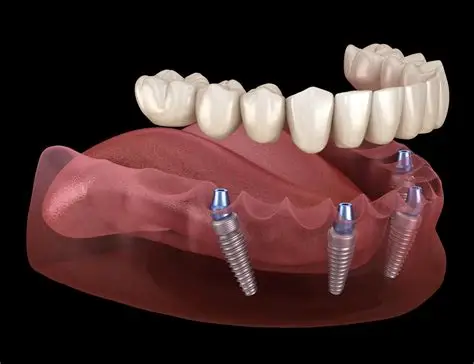
Implant supported dentures use dental implants to provide additional stability for removable dentures. Instead of relying entirely on the gums for support, the denture is connected to strategically positioned implants.
This approach may be considered for patients who need to replace several or all teeth but want more stability than conventional dentures can provide.
Whether this type of treatment is appropriate depends on the patient’s bone condition, oral health, number of implants required, and overall treatment plan.
What Happens If Missing Teeth Are Not Replaced?
Replacing missing teeth is not only about improving appearance. Missing teeth can influence everyday oral function.
A gap may make chewing certain foods more difficult. Depending on the location of the missing tooth, it can also affect speech. Over time, the surrounding teeth may shift into the available space.
The effects of missing teeth vary from person to person. This is why it is worth discussing tooth replacement options with a dental professional rather than leaving a missing tooth unaddressed.
Early evaluation can help your dentist understand your oral health and explain the available treatment options.
How Dental Dynasty Can Help
Choosing between dental implants and dentures is an important decision, and it should be based on your individual dental needs rather than a general comparison.
At Dental Dynasty, patients can discuss their concerns about missing teeth and explore suitable missing teeth treatment options with a dental professional. A detailed examination can help determine the condition of your teeth, gums, and supporting bone before a treatment plan is recommended.
Whether you are considering implants, dentures, or another form of tooth replacement, understanding your options can make the decision process easier.
Frequently Asked Questions
Are dental implants better than dentures?
Neither option is automatically better for every patient. Dental implants and dentures have different benefits and requirements. The appropriate treatment depends on your oral health, the number of missing teeth, jawbone condition, lifestyle, and personal preferences.
Are dentures comfortable?
Modern dentures can be designed for comfort and a natural appearance. However, it can take some time for new denture wearers to adjust to eating and speaking with them. Proper fitting and regular dental reviews can help improve comfort.
How long do dental implants take?
The treatment timeline varies between patients. Implant treatment generally involves placement followed by a healing period before the replacement tooth is attached. Your dentist can provide a more accurate timeline after assessing your oral health.
Can dentures replace all missing teeth?
Yes. Complete dentures can be designed to replace all teeth in the upper or lower arch. The appropriate type depends on the patient’s individual dental condition.
Can dental implants replace multiple missing teeth?
Yes. Dental implants can be used to replace multiple missing teeth. Depending on the situation, individual implants, implant supported bridges, or implant supported dentures may be considered.
How do I choose between dentures vs implants?
Start with a dental examination. Your dentist can assess your gums, jawbone, remaining teeth, and overall oral health. You can then discuss the benefits, limitations, treatment process, maintenance, and costs of each option.
Restore Your Smile With the Right Tooth Replacement Option
Choosing a solution for missing teeth is a personal decision that deserves careful consideration. Understanding dental implants vs dentures can help you ask the right questions and understand what each treatment involves.
At Dental Dynasty, our focus is on helping patients understand their dental options and make informed decisions about their oral health. If you are looking for a suitable tooth replacement solution, schedule a dental consultation to discuss your needs and explore the options available for restoring your smile.