 Losing a tooth is more than just a cosmetic concern. It can affect the way you eat, speak, smile, and even how you feel about yourself. Many people delay treatment after tooth loss, assuming it is only a visual issue. However, untreated missing teeth can lead to bone loss, shifting teeth, bite problems, and long term oral health complications.
Fortunately, modern dentistry has transformed the way we approach missing teeth treatment. In 2026, dental implants continue to be recognized as the most advanced and reliable solution for replacing missing teeth. With improvements in technology, precision planning, and patient comfort, implants offer a long lasting and natural looking answer for people seeking permanent teeth replacement.
What Are Dental Implants?
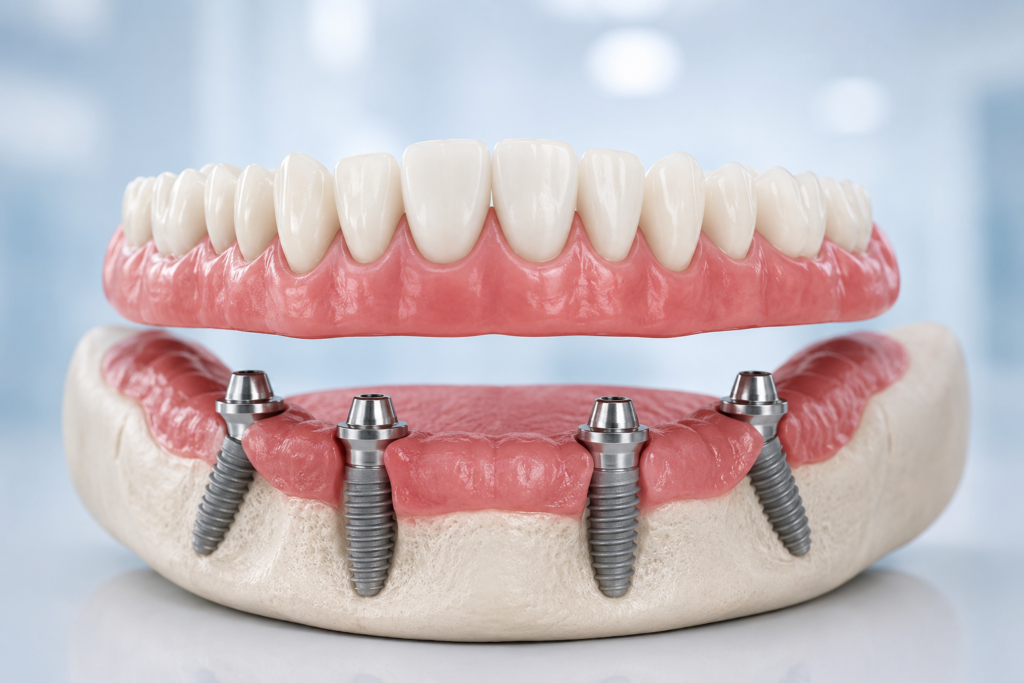
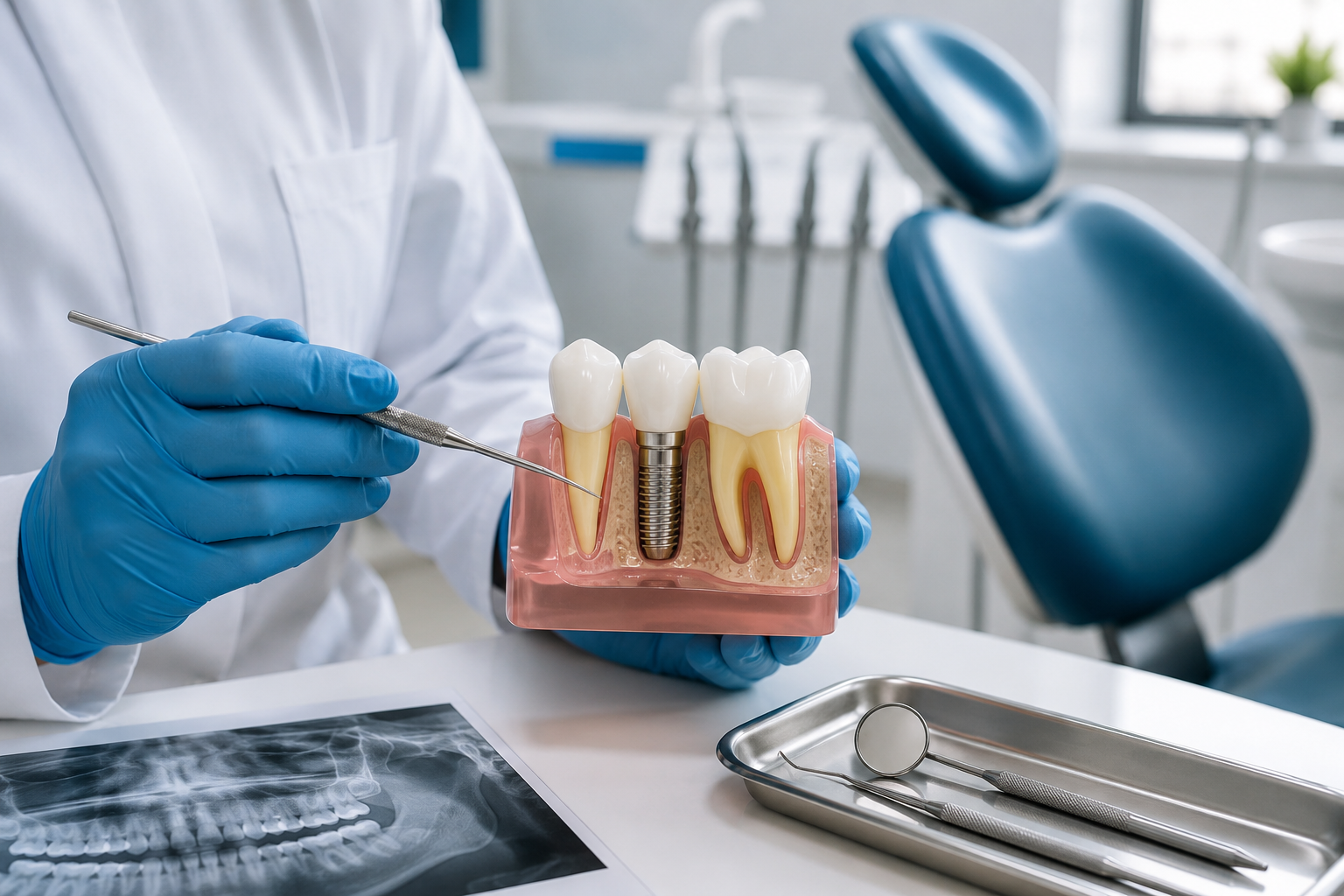
Dental implants are artificial tooth roots made from biocompatible materials that are placed into the jawbone through a carefully planned implant surgery procedure. Once the implant integrates with the bone, it supports a custom made crown, bridge, or denture.
Unlike traditional tooth replacement options that sit on top of the gums, implants become part of the jaw structure, providing stability and function similar to natural teeth.
Simply put, a dental implant replaces both the root and the visible portion of a missing tooth.
Why Are Dental Implants Considered the Gold Standard?
The reason dental implants remain the preferred choice among patients and every experienced implant dentist is simple: they address the root cause of tooth loss rather than merely covering the gap.
Natural Appearance and Feel
One of the biggest advantages of implants is their ability to closely mimic natural teeth. The replacement tooth is custom designed to match the shape, size, and color of surrounding teeth, creating a seamless smile.
Most patients quickly forget which tooth is the implant because it feels so natural during daily activities.
Exceptional Stability
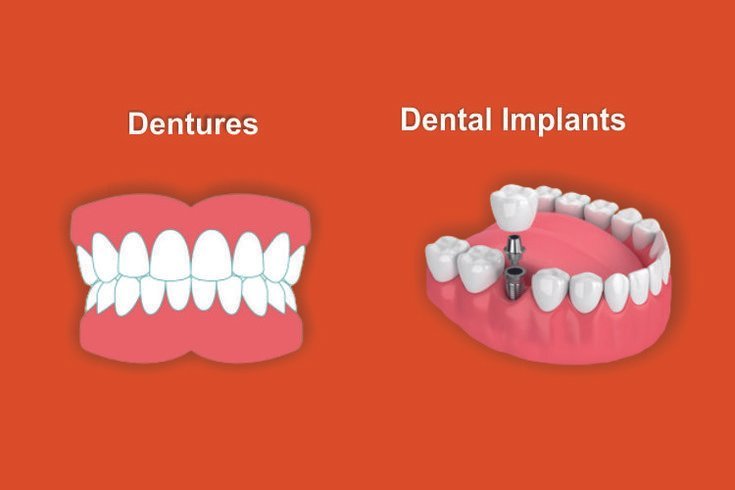
Traditional dentures may shift while eating or speaking. Dental implants are anchored directly into the jawbone, providing unmatched stability.
This means you can enjoy your favorite foods without worrying about movement or discomfort.
Long Term Solution
When properly maintained, dental implants can last for decades. While crowns may occasionally require replacement over time, the implant itself is designed to be a durable and permanent foundation.
This makes implants one of the most cost effective permanent teeth replacement solutions available today.
The Hidden Problem with Missing Teeth
Many people assume a missing tooth only affects appearance. The reality is far more complex.
Jawbone Loss
When a tooth is lost, the jawbone underneath no longer receives stimulation from chewing. Over time, the bone begins to shrink.
This process can alter facial structure, create a prematurely aged appearance, and make future restorative treatments more complicated.
Shifting Teeth
Neighboring teeth naturally move toward empty spaces. This can create alignment issues, bite problems, and difficulties maintaining oral hygiene.
Reduced Chewing Efficiency
Missing teeth often make it harder to chew certain foods properly. This can impact nutrition and digestive health over time.
By replacing the missing tooth root, dental implants help prevent these complications while restoring normal oral function.
Advances in Implant Surgery in 2026
Modern implant surgery is significantly more precise and comfortable than ever before.
Digital Treatment Planning
Advanced 3D imaging allows dentists to evaluate bone structure, nerve locations, and implant positioning before treatment begins.
This level of precision improves safety and predictability while reducing treatment complications.
Guided Implant Placement
Computer guided technology enables highly accurate implant placement, helping achieve optimal results with minimal disruption to surrounding tissues.
Faster Healing Protocols
New techniques and materials have improved healing times for many patients. In suitable cases, temporary teeth may even be placed shortly after implant placement.
Enhanced Patient Comfort
Modern anesthesia methods and minimally invasive procedures have made implant treatment far more comfortable than many patients expect.
In fact, many individuals report less discomfort than they experienced during tooth extraction.
Who Is a Good Candidate for Dental Implants?
Most healthy adults with missing teeth can be considered candidates for implant treatment.
You may be a suitable candidate if you:
- Have one or more missing teeth
- Have healthy gums
- Possess sufficient jawbone density
- Do not have uncontrolled medical conditions affecting healing
- Are committed to maintaining good oral hygiene
Even patients who have experienced bone loss may qualify through advanced treatment approaches such as bone grafting.
A consultation with an experienced implant dentist can determine the most appropriate treatment plan based on your individual needs.
Dental Implants vs Other Tooth Replacement Options
Dental Bridges
Dental bridges are a common tooth replacement option. However, they often require modification of adjacent healthy teeth.
While bridges can provide excellent results, they do not prevent bone loss beneath the missing tooth area.
Dentures
Dentures offer a non surgical solution for replacing multiple missing teeth. However, they may become loose over time due to changes in jawbone structure.
Many denture wearers eventually seek implant supported solutions for improved comfort and stability.
Dental Implants
Compared with other options, dental implants provide:
- Superior stability
- Bone preservation
- Natural appearance
- Improved chewing function
- Long term durability
- Better overall oral health outcomes
These advantages explain why implants continue to be regarded as the leading missing teeth treatment solution worldwide.
Common Concerns About Dental Implants
Is Implant Surgery Painful?
Most patients are surprised by how comfortable the procedure is. Local anesthesia ensures the treatment area remains numb throughout the procedure.
Mild soreness after treatment is normal and can usually be managed with standard post operative care.
How Long Does Treatment Take?
Treatment timelines vary depending on individual circumstances. Some cases require several months to allow proper healing and integration between the implant and jawbone.
Your implant dentist will provide a personalized timeline based on your specific needs.
Are Dental Implants Worth the Investment?
While implants may have a higher initial cost than other options, their longevity and health benefits often make them a worthwhile long term investment.
When evaluating value, it is important to consider durability, comfort, function, and quality of life improvements.
Caring for Your Dental Implants
Maintaining dental implants is similar to caring for natural teeth.
Key recommendations include:
- Brush twice daily
- Floss regularly
- Attend routine dental checkups
- Avoid tobacco products
- Follow professional cleaning schedules
With proper care, implants can continue functioning successfully for many years.
The Future of Missing Teeth Treatment
As dental technology continues to evolve, the success and accessibility of implant surgery continue to improve. Artificial intelligence assisted planning, enhanced biomaterials, and digital workflows are making implant treatment more efficient and predictable than ever before.
For patients seeking a dependable permanent teeth replacement solution, dental implants remain the benchmark against which all other tooth replacement methods are measured.
To Wrap It Up
Tooth loss can affect much more than your smile. It can influence oral health, facial structure, confidence, and everyday quality of life. Fortunately, modern dental implants provide a proven solution that restores both function and appearance while helping preserve long term oral health.
If you are exploring options for tooth replacement or looking for the most effective missing teeth treatment, consulting a qualified implant dentist can help you understand whether implant surgery is the right choice for your needs. Investing in a healthy, confident smile today can deliver benefits that last for decades.