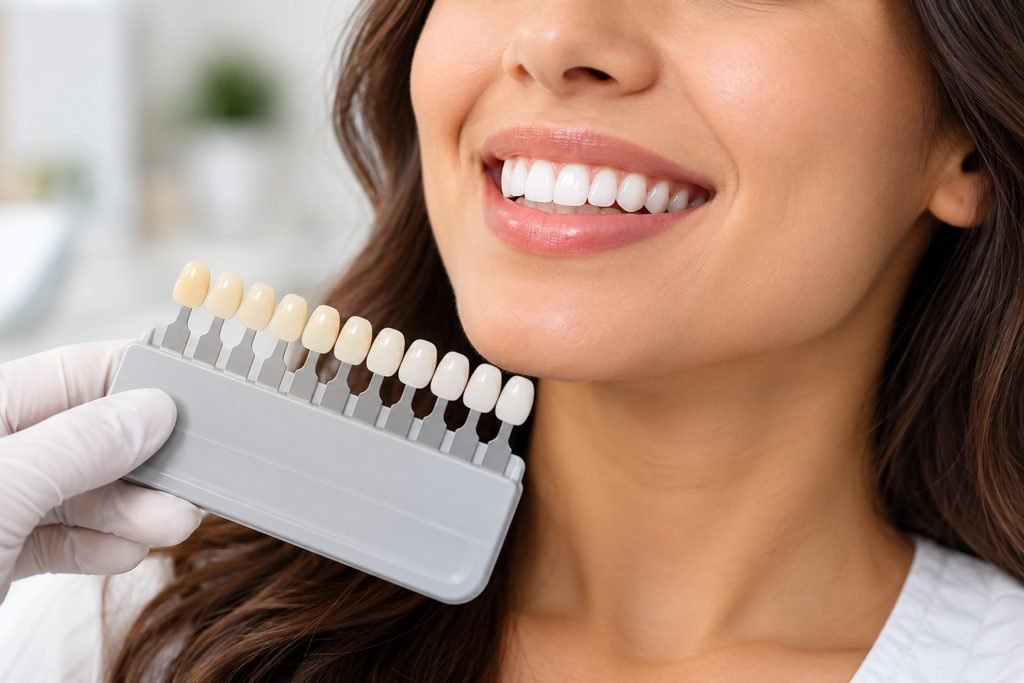
Have you ever noticed your teeth looking brighter after whitening, only to see them gradually lose their shine a few months later? It is a common concern for people who invest in a brighter smile. While teeth whitening can noticeably improve tooth colour, the results are not permanent.
So, how long does teeth whitening last? The answer depends on the whitening method, your daily habits, your diet, and how well you maintain your oral hygiene. Understanding these factors can help you protect your whitening results and enjoy a brighter smile for longer.
How Long Does Teeth Whitening Last?
Teeth whitening results can last from a few months to around three years, depending on the treatment method and individual lifestyle habits. However, results vary, and no whitening treatment can guarantee a fixed duration.
Here is a general comparison of common whitening methods:
- Professional in-clinic teeth whitening: Results may last several months to a few years with proper care.
- Dentist-supervised at-home whitening: Results can last months or longer, depending on the treatment plan and maintenance.
- Over-the-counter whitening strips and products: Results vary and may fade sooner, depending on the product and usage.
- Whitening toothpaste: These products mainly help remove surface stains and maintain cleanliness rather than produce dramatic, long-lasting colour changes.
These timeframes are estimates, not guarantees. Your dentist can help you understand which option suits your teeth and what results you can realistically expect.
What Factors Affect Teeth Whitening Results?
Even after a successful whitening treatment, your teeth can gradually develop new stains. Several factors influence how long the results last.
1. Food and Drinks
Certain foods and beverages contain pigments that can stain tooth surfaces over time. Regular consumption of coffee, tea, red wine, and dark-coloured foods may contribute to discolouration.
For example, someone who drinks multiple cups of tea or coffee daily may notice staining sooner than someone who consumes these beverages less frequently.
You do not necessarily need to eliminate your favourite drinks. Being mindful of how often you consume them and maintaining good oral hygiene can help reduce staining.
2. Smoking and Tobacco Use
Tobacco products can cause noticeable yellow or brown stains on teeth. Smoking and tobacco use can also affect oral health, making them important factors to consider when maintaining a brighter smile.
Avoiding tobacco is one of the most effective lifestyle changes for reducing tobacco-related staining.
3. Oral Hygiene Habits
Plaque buildup and surface stains can make teeth appear dull or discoloured. Brushing twice daily with fluoride toothpaste, cleaning between your teeth, and attending regular dental check-ups can help maintain a cleaner, brighter appearance.
Good oral hygiene does not stop every type of discolouration, but it helps prevent avoidable surface staining.
4. The Type of Discolouration
Not all tooth stains respond to whitening in the same way. Surface stains caused by food and drinks may respond differently from deeper discolouration associated with ageing, certain medications, or dental trauma.
Your initial tooth colour and the cause of staining can influence both the results and how noticeable they remain over time.
7 Tips to Maintain Teeth Whitening Results
Maintaining teeth whitening results does not require an overly complicated routine. Consistent habits make a meaningful difference.
1. Brush Twice a Day
Brush your teeth for two minutes, twice daily, using fluoride toothpaste. Choose a soft-bristled toothbrush and avoid aggressive brushing, which can damage your gums and contribute to tooth wear.
2. Clean Between Your Teeth Daily
Use dental floss or another dentist-recommended interdental cleaning aid to remove plaque and food particles from areas your toothbrush cannot easily reach.
Healthy, clean teeth provide a better foundation for maintaining your smile after whitening.
3. Be Mindful of Staining Drinks
Coffee, tea, and other deeply coloured beverages can contribute to staining over time.
To help manage this:
- Consider reducing how frequently you consume staining beverages.
- Drink water after consuming them.
- Avoid sipping staining drinks continuously throughout the day.
- Follow your dentist’s instructions immediately after whitening, particularly if your teeth are sensitive.
Water helps rinse away food and drink residue, although it cannot prevent all staining.
4. Avoid Tobacco Products
Smoking and chewing tobacco can undermine your whitening efforts by introducing new stains. Avoiding tobacco supports both your oral health and the appearance of your teeth.
5. Schedule Regular Dental Cleanings
Professional dental cleanings help remove plaque, tartar, and certain surface stains that regular brushing cannot eliminate.
Your dentist can also check for cavities, gum problems, and other conditions that might affect your teeth before recommending further whitening.
6. Use Whitening Products Carefully
Whitening toothpaste and other maintenance products may help manage surface stains, but they are not substitutes for every type of whitening treatment.
Avoid using whitening products more frequently than directed. Excessive or inappropriate use can cause tooth sensitivity and gum irritation.
Always consult your dentist before combining different whitening treatments.
7. Follow a Dentist-Recommended Maintenance Plan
Your dentist may recommend occasional touch-ups based on your treatment method, tooth sensitivity, and how quickly your teeth develop new stains.
There is no universal touch-up schedule. Whitening too frequently without professional guidance can cause unnecessary discomfort and irritation.
Can You Whiten Your Teeth Again If the Results Fade?
Yes, repeat whitening may be an option when your teeth begin to lose their brightness. However, the right approach depends on your oral health, previous treatment, and the cause of the discolouration.
Before repeating treatment, consider the following:
- Check for sensitivity: If your teeth are painful or unusually sensitive, consult your dentist before whitening again.
- Identify the cause of staining: A professional cleaning may help if surface stains are the main concern.
- Review your previous treatment: Your dentist can advise whether a touch-up or a different approach is appropriate.
- Avoid excessive whitening: Repeated treatment without guidance can increase sensitivity and irritate your gums.
Remember that whitening treatments change the colour of natural teeth but do not whiten crowns, veneers, or fillings in the same way. Existing dental restorations may therefore look different from surrounding teeth after treatment.
Does Teeth Whitening Damage Your Teeth?
When performed appropriately with suitable products, teeth whitening is generally considered safe for most people. However, temporary tooth sensitivity and gum irritation are possible side effects.
The risk depends on the whitening product, its concentration, how it is used, and your existing dental condition.
If you have untreated cavities, gum disease, exposed tooth roots, or existing sensitivity, seek a dental assessment before starting treatment. Whitening is not a substitute for treating underlying oral health problems.
Frequently Asked Questions
1. How long does professional teeth whitening last?
Professional teeth whitening may last several months to a few years. The exact duration depends on the treatment, your oral hygiene, dietary habits, tobacco use, and natural tooth characteristics.
2. Does teeth whitening last forever?
No. Teeth whitening is not permanent. Natural ageing and exposure to staining foods, drinks, and tobacco can gradually change tooth colour. Maintenance can help preserve the results.
3. Does coffee make teeth whitening fade faster?
Frequent coffee consumption can contribute to surface staining over time. Drinking water after coffee and maintaining consistent oral hygiene can help reduce residue and support stain management.
4. How often should I repeat teeth whitening?
There is no single schedule that suits everyone. The appropriate interval depends on your original treatment, the whitening product, your results, and whether you experience sensitivity. Ask your dentist before repeating treatment.
5. Can whitening toothpaste maintain my results?
Whitening toothpaste can help remove certain surface stains and maintain a clean appearance. However, it may not reproduce the results of professional whitening or change deeper tooth discolouration significantly.
6. Why are my teeth still yellow after whitening?
Possible reasons include deeper discolouration, natural tooth colour, ageing, or stains that do not respond well to the treatment used. Dental restorations can also retain their original colour. A dentist can assess the cause and recommend suitable options.
7. Can I maintain white teeth without professional whitening?
You can help maintain a brighter appearance through regular brushing, daily interdental cleaning, limiting tobacco exposure, managing staining beverages, and attending dental check-ups. However, these habits may not provide the same colour change as a whitening treatment.
Maintain Your Brighter Smile with the Right Dental Care
How long teeth whitening lasts depends on more than the treatment itself. Your everyday habits, oral hygiene, and approach to maintenance all influence how long your smile stays bright.
Rather than relying on frequent whitening treatments, focus on preventing new stains and protecting your oral health. If your results begin to fade or you are unsure which maintenance option is right for you, consult your dentist for personalised advice.
A brighter smile is easier to maintain when whitening is combined with consistent, healthy dental care.