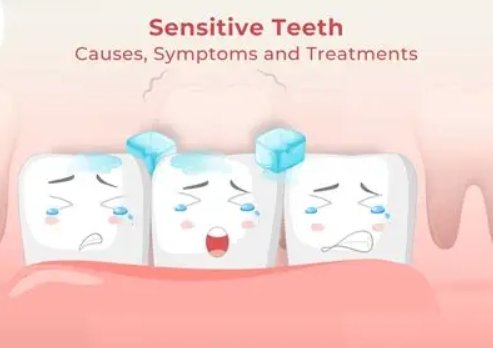
The monsoon season brings cooler temperatures, frequent rain, and relief from the heat, but it can also bring unexpected dental discomfort for some people. If you notice a sharp sensation in your teeth while drinking something cold, eating hot food, or even breathing through your mouth during rainy weather, you may be experiencing tooth sensitivity.
While the rain itself does not directly damage your teeth, changes in temperature, eating habits, oral hygiene, and certain existing dental problems can make sensitivity more noticeable during the monsoon. For people who already have exposed tooth roots, worn enamel, cavities, or gum problems, seasonal changes may make everyday activities such as eating and drinking uncomfortable.
Understanding why this happens and knowing how to care for your teeth can help you manage discomfort and maintain good oral health throughout the rainy season.
What Is Tooth Sensitivity?
Tooth sensitivity is a common dental condition in which a person experiences a sudden, sharp sensation or discomfort when the teeth come into contact with certain triggers. These triggers can include cold drinks, hot foods, sweet foods, acidic foods, cold air, or even brushing.
Healthy teeth have a protective outer layer called enamel. Underneath the enamel is dentin, which contains tiny channels connected to the nerves inside the tooth. When enamel becomes thinner or the gums recede, the dentin can become exposed.
When this exposed area comes into contact with hot, cold, sweet, or acidic substances, the sensation can reach the nerves more easily. This may result in the familiar sharp pain associated with sensitive teeth.
Sensitivity can affect one tooth, several teeth, or most of the teeth, depending on its underlying cause.
Why Can Teeth Feel More Sensitive During Monsoon?
The rainy season can influence your habits and environment in several ways. Although there is no universal rule that teeth become sensitive simply because it is monsoon, certain conditions associated with the season may make existing sensitivity more noticeable.
Changes in Temperature
One possible trigger is the difference between outdoor temperatures and the temperature of food and beverages. People may consume hot tea, coffee, soups, or other warm foods more frequently when the weather becomes cooler.
If your teeth are already sensitive, sudden changes between hot and cold temperatures may cause discomfort.
For example, drinking a very hot beverage after consuming something cold may cause a sharp sensation in teeth that have exposed dentin or weakened enamel.
Increased Consumption of Hot Beverages
Tea and coffee are popular throughout the year, but many people tend to consume more hot beverages during rainy weather.
Frequent exposure to very hot beverages may contribute to discomfort in people who already have dental sensitivity. Tea and coffee can also contain compounds that may contribute to staining, particularly when oral hygiene is not maintained properly.
Allowing beverages to cool slightly before drinking them and maintaining regular dental hygiene can help reduce unnecessary irritation.
Changes in Eating Habits
Rainy weather often encourages people to enjoy snacks such as fried foods, sweets, spicy dishes, and other comfort foods. While occasional indulgence is not necessarily a problem, frequent consumption of sugary or acidic foods can increase the risk of dental problems.
Sugar can contribute to plaque formation, while acidic foods and beverages can contribute to enamel erosion over time. If the enamel becomes thinner, the underlying dentin may become more exposed, potentially increasing sensitivity.
Maintaining balanced eating habits is therefore an important part of monsoon dental care.
Common Causes of Tooth Sensitivity
Sensitivity during the rainy season may not actually be caused by the weather. In many cases, an underlying dental condition is responsible.
Enamel Erosion
Enamel is the hardest substance in the human body, but it can gradually wear down. Frequent consumption of acidic foods and drinks, aggressive brushing, or certain dental conditions can contribute to enamel erosion.
As enamel becomes thinner, the dentin underneath may become exposed, increasing the likelihood of sensitivity.
Gum Recession
Healthy gums protect the roots of your teeth. If gums recede, parts of the tooth root may become exposed.
Unlike the crown of the tooth, the root does not have the same protective enamel covering. This makes exposed roots more vulnerable to sensitivity.
Gum recession can occur due to gum disease, aggressive brushing, improper brushing techniques, or other dental factors.
Cavities
A cavity can sometimes cause sensitivity, particularly when it becomes deeper. You may notice discomfort when consuming sweets, hot foods, or cold drinks.
If sensitivity is limited to one particular tooth or becomes progressively worse, it is worth having the tooth examined by a dentist.
Cracked or Damaged Teeth
A cracked tooth can sometimes produce sharp pain while chewing or when exposed to temperature changes. Even a small crack may allow external stimuli to reach sensitive areas of the tooth.
Dental examination is important because untreated cracks can become more serious over time.
Teeth Grinding
Some people unconsciously grind or clench their teeth, particularly while sleeping or during periods of stress. Over time, this can contribute to enamel wear and increased sensitivity.
If you frequently wake up with jaw discomfort or notice unusual wear on your teeth, speak with a dentist about possible causes.
Signs That You Should Not Ignore
Occasional mild sensitivity may not always indicate a serious problem, but persistent or severe discomfort should not be ignored.
You should consider visiting a dentist if you experience:
- Sensitivity that continues for several weeks
- Severe pain when eating or drinking
- Pain that occurs without an obvious trigger
- Sensitivity concentrated in one tooth
- Pain while biting or chewing
- Swollen or bleeding gums
- Visible cracks or damage
- Persistent bad breath
- Sensitivity that is becoming increasingly severe
These symptoms may indicate cavities, gum disease, enamel damage, a cracked tooth, or another dental condition that requires professional attention.
Tips for Managing Sensitive Teeth During Monsoon
Good oral hygiene is one of the most important parts of preventing dental problems throughout the rainy season.
Use a Soft Bristled Toothbrush
Brushing harder does not necessarily mean brushing better. Excessive pressure can irritate the gums and contribute to enamel wear.
Use a soft bristled toothbrush and gentle movements when brushing your teeth.
Choose a Toothpaste for Sensitive Teeth
If you regularly experience sensitivity, your dentist may recommend a toothpaste formulated specifically for sensitive teeth.
These products may contain ingredients designed to help reduce the transmission of sensations to the tooth nerve. However, toothpaste alone may not address the underlying cause if sensitivity results from cavities, gum recession, or another dental problem.
Avoid Extremely Hot or Cold Foods
If temperature changes trigger discomfort, try consuming food and beverages at moderate temperatures.
Instead of drinking extremely hot tea immediately after preparation, allow it to cool slightly. Similarly, avoid exposing sensitive teeth to very cold foods if they trigger pain.
Limit Acidic and Sugary Foods
Frequent consumption of acidic foods and drinks can contribute to enamel erosion. Sugary foods can also contribute to plaque and tooth decay.
Reducing frequent snacking and maintaining a balanced diet can support better oral health.
Stay Hydrated
Drinking enough water is useful for maintaining overall health and oral hygiene. Water can help wash away food particles and support saliva production.
Saliva naturally helps protect the teeth by neutralising acids and clearing away food particles.
Maintain Regular Brushing and Flossing
Rainy weather should not interfere with your regular oral hygiene routine. Brush twice a day and clean between your teeth regularly.
Flossing or using another dentist recommended method of cleaning between the teeth can help remove plaque from areas that a toothbrush cannot reach effectively.
What Is Sensitive Teeth Treatment?
The appropriate sensitive teeth treatment depends on the cause of the sensitivity.
For mild sensitivity associated with enamel wear or exposed dentin, a dentist may recommend a desensitising toothpaste and improvements to brushing technique.
If sensitivity is caused by gum recession, the dentist may assess the condition of the gums and recommend appropriate treatment.
For cavities, restorative treatment may be required. A damaged or cracked tooth may require a different approach depending on the extent of the damage.
In some situations, a dentist may recommend fluoride applications or other professional treatments to strengthen tooth surfaces and reduce sensitivity.
This is why identifying the underlying cause is important. Treating the symptom without addressing the reason behind it may provide only temporary relief.
How Dental Checkups Can Help
Regular dental checkups can help identify problems before they become more complicated. A dentist can examine your teeth and gums for cavities, enamel wear, gum disease, cracks, and other conditions that may contribute to sensitivity.
If you experience recurring tooth sensitivity, a professional examination can help determine whether it is simply related to exposed dentin or whether another dental issue needs attention.
Early diagnosis can often make treatment simpler and help prevent unnecessary discomfort.
Monsoon Dental Care for Children
Children can also experience sensitivity during the rainy season. Parents should encourage children to brush regularly and avoid excessive consumption of sugary snacks and drinks.
Children who complain repeatedly about pain while eating or drinking should be examined by a dentist. Dental sensitivity in children can sometimes be associated with cavities or other dental concerns that need attention.
Teaching children proper brushing habits from an early age can help establish good oral hygiene practices that continue into adulthood.
Why Good Monsoon Dental Care Matters
Good monsoon dental care is not about following a completely different dental routine during the rainy season. Instead, it involves being more aware of habits that may affect your oral health.
Maintaining regular brushing and flossing, limiting excessive sugar and acidic foods, staying hydrated, and paying attention to unusual dental symptoms can all contribute to healthier teeth.
It is also important not to assume that sensitivity is simply a seasonal problem. If discomfort continues after the weather changes or becomes more intense, there may be an underlying dental issue that needs professional evaluation.
Frequently Asked Questions
Does monsoon weather directly cause tooth sensitivity?
Rain itself does not directly cause sensitivity. However, changes in temperature, eating habits, beverage consumption, and existing dental conditions may make sensitivity more noticeable during the rainy season.
Why do my teeth hurt when I drink hot tea during monsoon?
If your teeth have exposed dentin, enamel erosion, cavities, or other dental problems, hot beverages can trigger sensitivity. If the discomfort happens regularly, a dental examination can help identify the cause.
Can sensitive teeth be treated permanently?
The outcome depends on the underlying cause. Some types of sensitivity can be managed effectively with appropriate oral care, while conditions such as cavities, gum problems, or damaged teeth may require professional dental treatment.
Is sensitivity always a sign of a cavity?
No. Sensitivity can result from enamel erosion, gum recession, aggressive brushing, exposed tooth roots, teeth grinding, cracked teeth, and other conditions. A dentist can determine the actual cause.
What toothpaste is suitable for sensitive teeth?
A toothpaste specifically formulated for sensitive teeth may help reduce discomfort. However, if sensitivity is persistent or severe, it is better to consult a dentist rather than relying only on toothpaste.
When should I see a dentist for tooth sensitivity?
You should consider seeing a dentist if sensitivity is persistent, severe, occurs in a specific tooth, happens without an obvious trigger, or is accompanied by swelling, bleeding gums, pain while chewing, or visible tooth damage.
Conclusion
Tooth sensitivity during monsoon can be uncomfortable, but it should not simply be dismissed as a normal effect of rainy weather. Changes in temperature and eating habits may make existing sensitivity more noticeable, while conditions such as enamel erosion, cavities, gum recession, and cracked teeth can be responsible for the discomfort.
Practising good monsoon dental care, maintaining consistent oral hygiene, avoiding excessive exposure to very hot or cold foods, and paying attention to recurring symptoms can help protect your teeth.
If sensitivity continues despite good oral care, professional evaluation is important. At Dental Dynasty, patients can seek appropriate dental guidance to understand the cause of their discomfort and explore suitable sensitive teeth treatment based on their individual dental needs.