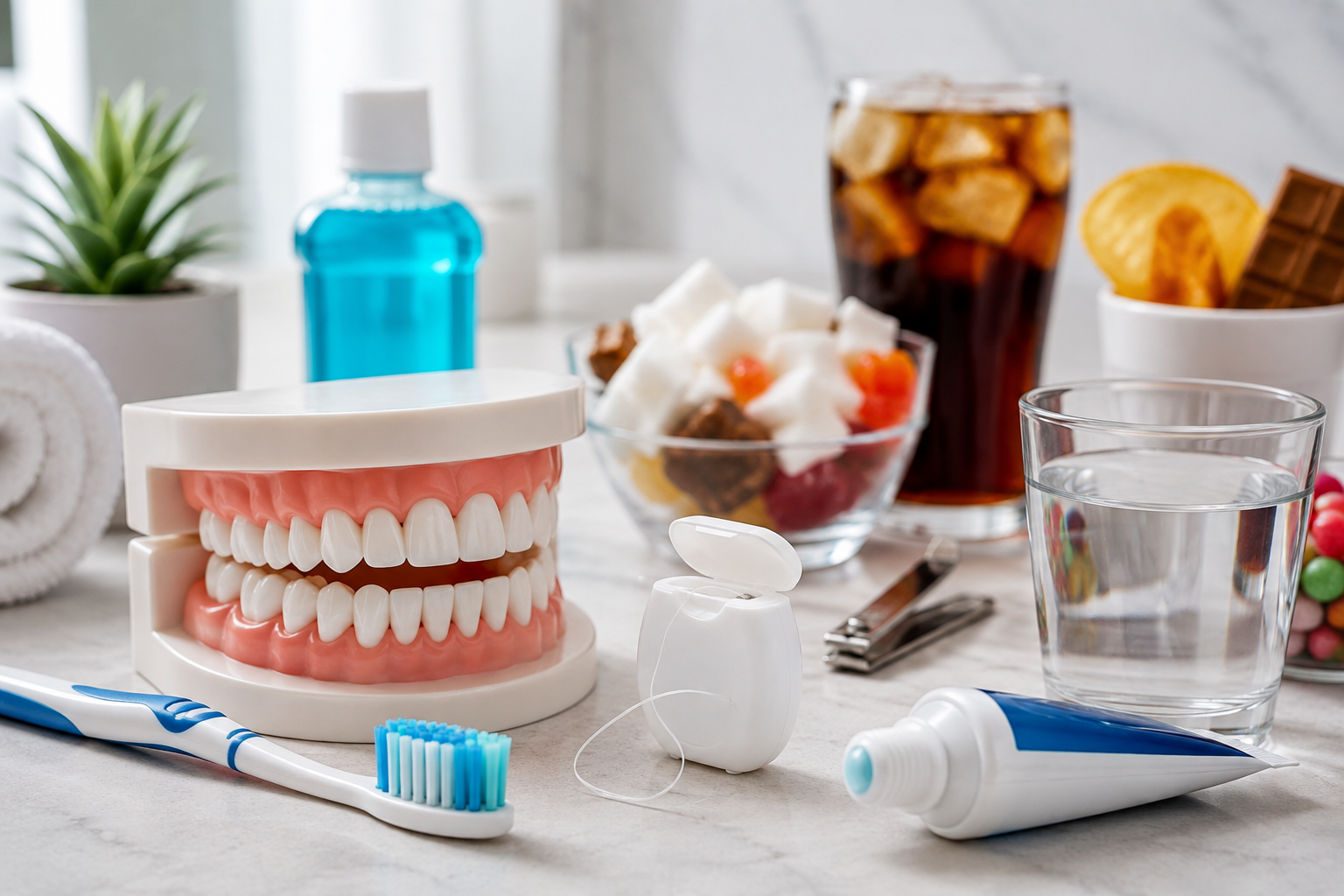
A healthy smile is not just about brushing twice a day. Many people unknowingly damage their teeth through everyday habits that seem harmless. These small actions gradually wear down enamel, increase the risk of cavities, and lead to expensive dental treatments later.
The good news is that most of these habits are easy to change once you know what to look for. Whether you want stronger teeth, fewer dental visits, or better overall oral health, understanding these common mistakes is the first step toward long term healthy teeth.
This guide shares the most common habits that affect your smile and offers practical oral health tips to help you improve your daily dental care routine.
1. Brushing Too Hard
Many people believe that brushing harder means cleaner teeth. In reality, aggressive brushing can wear away enamel and damage your gums over time.
Signs you may be brushing too hard include:
- Sensitive teeth
- Receding gums
- Worn tooth surfaces
- Bleeding while brushing
For better enamel protection, use a soft bristled toothbrush and gentle circular motions instead of scrubbing back and forth.
Expert Tip
Think of brushing as polishing your teeth rather than scrubbing a dirty surface.
2. Skipping Flossing
Brushing only cleans about sixty percent of your tooth surfaces. Food particles and plaque often remain between teeth, increasing the risk of decay and gum disease.
Flossing every day helps with:
- Better cavity prevention
- Healthier gums
- Fresher breath
- Reduced plaque buildup
A complete dental care routine always includes flossing before or after brushing.
3. Frequent Snacking Throughout the Day
Every time you eat sugary or starchy foods, bacteria produce acids that attack your enamel.
Constant snacking means your teeth spend more time exposed to these acids.
Better snack choices include:
- Cheese
- Nuts
- Fresh vegetables
- Apples
- Plain yogurt
Giving your mouth time between meals allows saliva to naturally protect your teeth.
4. Using Your Teeth as Tools
Opening bottles, tearing packets, or biting nails may seem convenient, but these habits can cause:
- Chipped teeth
- Cracks
- Broken fillings
- Jaw strain
Your teeth are designed for chewing food, not replacing scissors or bottle openers.
5. Drinking Sugary and Acidic Beverages Regularly
Soft drinks, sports drinks, packaged fruit juices, and energy drinks expose teeth to sugar and acid.
Over time this can lead to:
- Enamel erosion
- Tooth sensitivity
- Tooth decay
- Discoloration
If you enjoy these drinks occasionally:
- Drink them with meals.
- Use a straw when possible.
- Rinse your mouth with water afterward.
- Avoid brushing immediately after acidic drinks because softened enamel needs time to recover.
These simple habits support better enamel protection.
6. Grinding or Clenching Your Teeth
Many people grind their teeth during sleep without realizing it.
Common warning signs include:
- Morning jaw pain
- Headaches
- Flattened teeth
- Sensitive teeth
If you notice these symptoms, consult your dentist. A custom night guard may help protect your teeth from unnecessary wear.
7. Ignoring Early Dental Problems
A small cavity rarely causes pain in its early stages.
Unfortunately, many people wait until discomfort becomes severe before scheduling an appointment.
Early treatment often means:
- Smaller fillings
- Lower treatment costs
- Less discomfort
- Better long term oral health
Routine dental checkups remain one of the best oral health tips for preventing bigger problems.
8. Smoking and Tobacco Use
Tobacco affects much more than the appearance of your teeth.
It increases the risk of:
- Gum disease
- Tooth loss
- Persistent bad breath
- Delayed healing after dental procedures
- Oral cancer
Quitting tobacco is one of the most valuable investments you can make in your overall health and your smile.
9. Skipping Water Throughout the Day
Water helps wash away food particles, dilute acids, and support saliva production.
A dry mouth creates an ideal environment for harmful bacteria.
Drinking enough water throughout the day supports:
- Better healthy teeth
- Cleaner mouth
- Reduced plaque buildup
- Improved overall oral hygiene
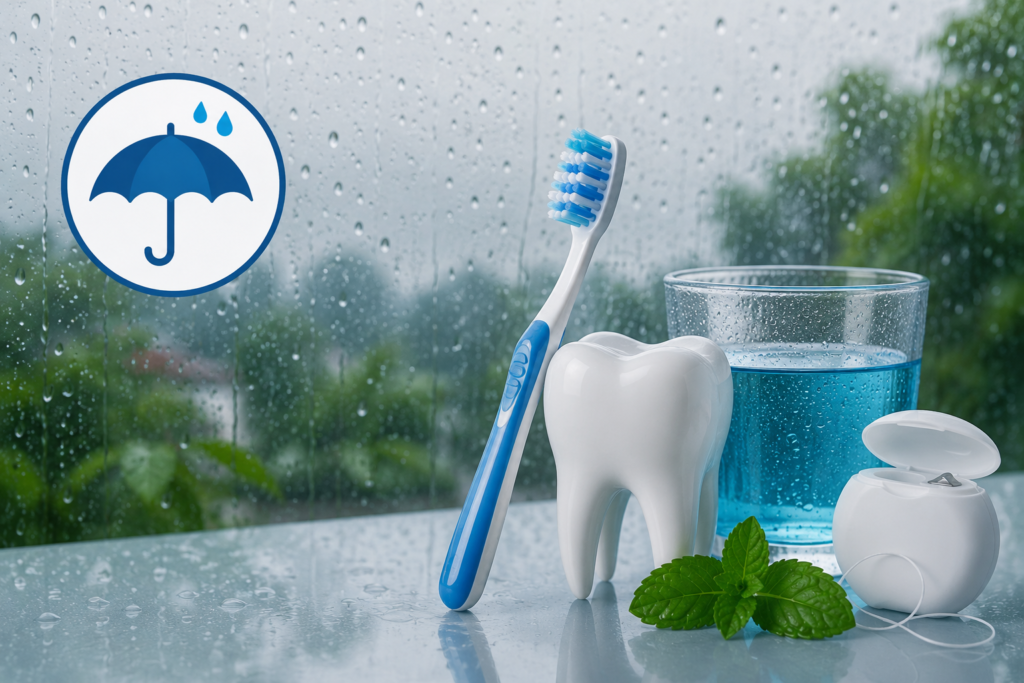
10. Not Replacing Your Toothbrush
An old toothbrush becomes less effective over time.
Replace your toothbrush every three to four months or sooner if the bristles become frayed.
A worn toothbrush cannot clean teeth effectively and may leave plaque behind.
This simple habit improves your daily dental hygiene without adding any extra effort.
Why Enamel Protection Matters
Enamel protection means preserving the hard outer layer of your teeth that shields them from daily wear, bacteria, and acids.
Unlike many other tissues in the body, enamel does not regenerate once it is lost.
Protecting enamel helps:
- Reduce tooth sensitivity
- Lower the risk of cavities
- Improve the appearance of your smile
- Support long term oral health
Small daily choices often have a much greater impact than occasional treatments.
A Simple Daily Dental Care Routine
Building a consistent dental care routine does not have to be complicated.
Aim to:
- Brush twice daily using fluoride toothpaste.
- Floss every day.
- Drink plenty of water.
- Limit sugary snacks and acidic beverages.
- Visit your dentist for regular checkups.
- Replace your toothbrush regularly.
- Eat a balanced diet rich in calcium and vitamins.
Consistency matters more than perfection.
Frequently Asked Questions
What is the biggest habit that damages teeth?
Brushing too aggressively, consuming sugary drinks frequently, and skipping flossing are among the most common habits that contribute to enamel wear and tooth decay.
How can I naturally protect my tooth enamel?
Use fluoride toothpaste, reduce acidic foods and drinks, avoid brushing immediately after consuming acidic beverages, stay hydrated, and maintain a consistent dental care routine.
How often should I visit the dentist?
Most people benefit from a dental checkup every six months, although your dentist may recommend a different schedule based on your oral health needs.
Can enamel grow back?
No. Tooth enamel cannot regenerate naturally. However, early enamel damage can often be strengthened through proper oral hygiene and fluoride exposure.
What foods help keep teeth healthy?
Cheese, leafy greens, nuts, yogurt, crunchy vegetables, and foods rich in calcium and phosphorus all contribute to stronger healthy teeth.
Final Thoughts
Healthy teeth are built through everyday habits rather than occasional treatments. Small changes like brushing gently, flossing consistently, drinking more water, and limiting sugary foods can significantly reduce your risk of cavities and enamel damage.
Following these practical oral health tips today can help you avoid more complex dental problems in the future while keeping your smile healthier for years to come.
If you are experiencing tooth sensitivity, bleeding gums, or persistent dental discomfort, scheduling a professional dental examination is the best way to identify concerns early and receive personalized guidance for lasting oral health.