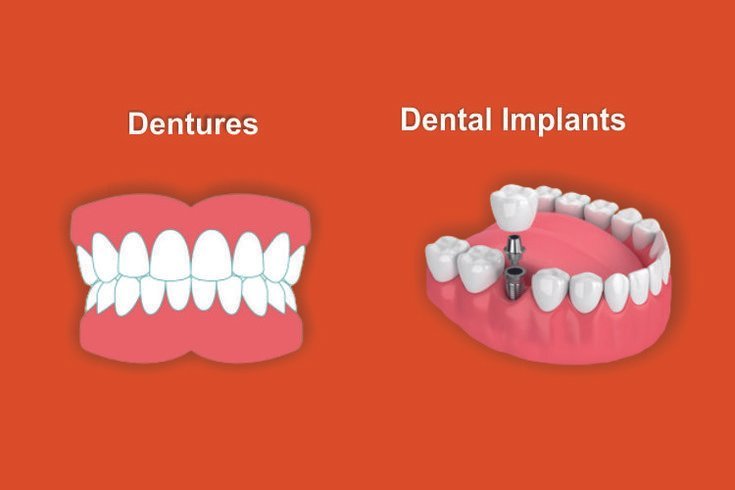
 Losing multiple teeth can affect much more than your smile. Everyday activities like eating, speaking, and socializing often become difficult, leading many people to search for a long lasting solution rather than temporary fixes. While traditional dentures have helped countless individuals, modern dentistry now offers a more stable and natural alternative through full mouth dental implants.
If you are considering all teeth replacement, understanding the treatment, expected full mouth implants cost, benefits, and recovery process can help you make an informed decision. This guide explains everything you need to know before choosing a fixed teeth solution.
What Are Full Mouth Dental Implants?
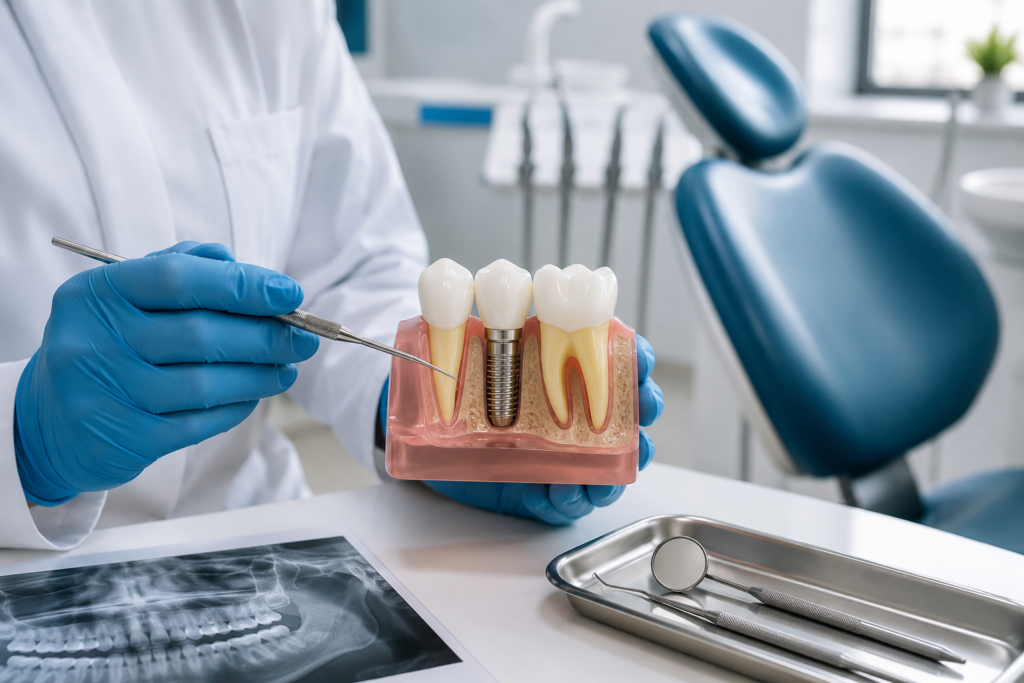
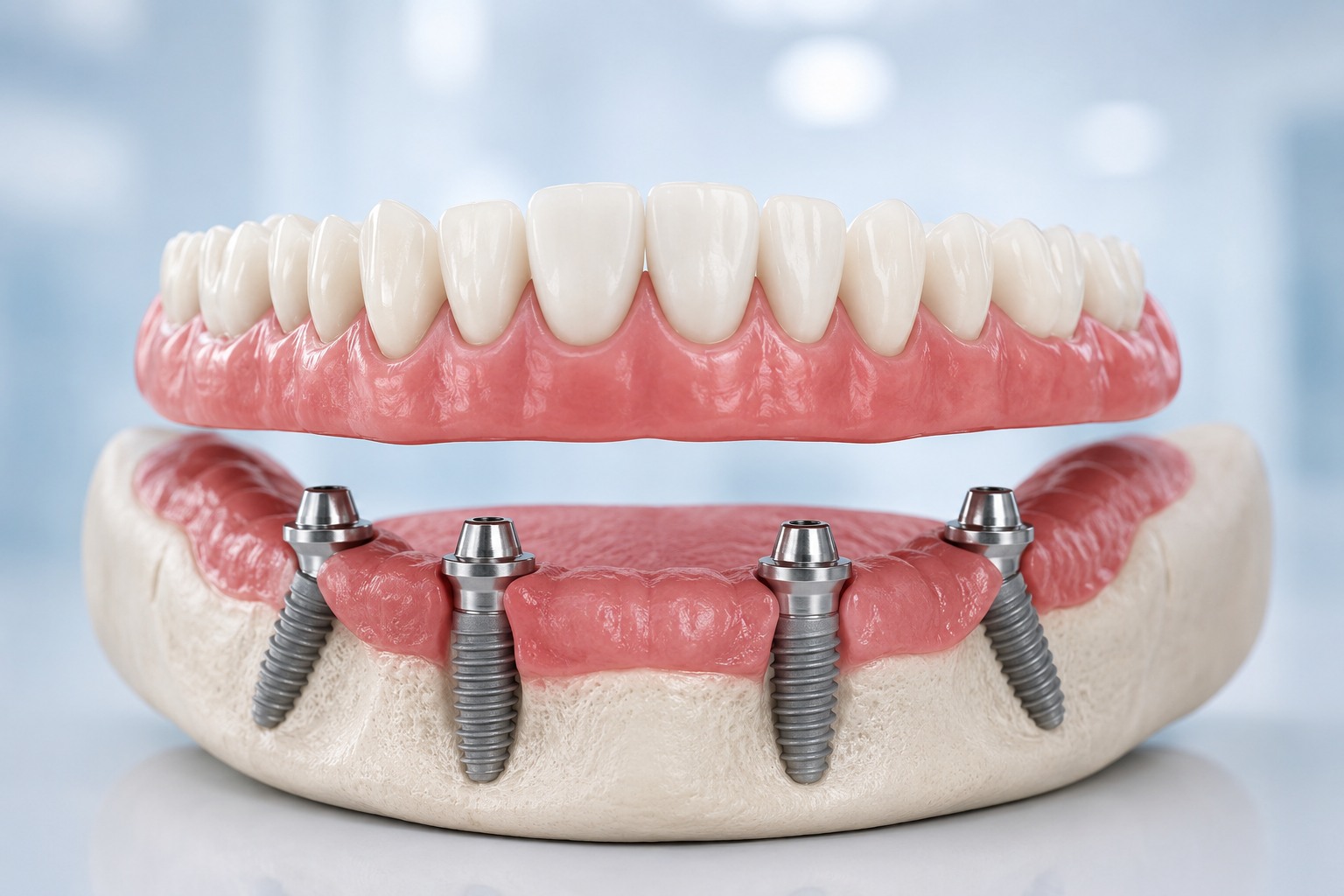
Full mouth dental implants are an advanced tooth replacement treatment designed for people who have lost most or all of their natural teeth. Instead of replacing every missing tooth with an individual implant, a carefully planned number of implants are placed into the jawbone to support an entire arch of prosthetic teeth.
The result is a stable, natural looking smile that closely mimics the appearance and function of healthy teeth.
This treatment is commonly recommended for patients who:
- Have lost all or most of their teeth
- Have severely damaged teeth that cannot be saved
- Experience loose or uncomfortable dentures
- Want a permanent alternative to removable dentures
How Does Full Mouth Restoration Work?
A full mouth restoration involves restoring both function and appearance through a personalized treatment plan.
The process generally includes:
- Comprehensive dental examination
- Digital scans and treatment planning
- Removal of non restorable teeth if required
- Implant surgery
- Healing and bone integration
- Placement of custom designed permanent teeth
Each patient’s treatment is customized according to bone quality, oral health, and smile goals.
Who Is an Ideal Candidate?
Not everyone requires complete mouth rehabilitation, but you may be a suitable candidate if you:
- Have multiple missing teeth
- Wear removable dentures and want better stability
- Have healthy gums or are willing to undergo gum treatment
- Have adequate jawbone or qualify for bone grafting
- Are in good general health
Even patients with some bone loss may still qualify after additional procedures recommended by their implant dentist.
Benefits of Full Mouth Dental Implants
Choosing full mouth dental implants offers several advantages over conventional dentures.
Natural Appearance
Modern implant supported prosthetic teeth are carefully designed to match facial features, resulting in a confident and natural smile.
Improved Chewing Ability
Unlike removable dentures, implants remain securely anchored, allowing patients to enjoy a wider variety of foods comfortably.
Better Speech
Loose dentures may affect pronunciation. Fixed implant supported teeth provide greater stability for clearer speech.
Long Term Durability
With proper oral hygiene and regular dental checkups, dental implants can last for many years, making them a valuable long term investment.
Preserves Jawbone
When teeth are lost, the jawbone gradually shrinks over time. Dental implants stimulate the bone similarly to natural tooth roots, helping preserve facial structure.
Greater Comfort
Since implants become integrated with the jawbone, they eliminate many of the common discomforts associated with removable dentures.
Implant Supported Dentures vs Fixed Teeth Solution
Patients often ask whether they should choose implant supported dentures or a completely fixed restoration.
Implant Supported Dentures
These dentures attach securely to implants but can be removed for cleaning.
Advantages include:
- Better stability than traditional dentures
- Easier maintenance
- Lower treatment cost in some cases
Fixed Teeth Solution
A fixed bridge is permanently attached to implants and can only be removed by the dentist.
Benefits include:
- Feels closest to natural teeth
- Excellent chewing efficiency
- Highly aesthetic results
- No daily removal required
Your dentist will recommend the most suitable option based on your oral health, lifestyle, and treatment goals.
Understanding Full Mouth Implants Cost
One of the most common questions patients ask is about full mouth implants cost.
The total investment varies because every treatment is personalized. Factors influencing cost include:
- Number of implants required
- Type of prosthetic teeth
- Need for bone grafting
- Complexity of implant surgery
- Diagnostic imaging
- Materials used
- Experience of the implant dentist
Although the initial cost may be higher than removable dentures, many patients consider implants a worthwhile investment because of their durability, comfort, and improved quality of life.
Instead of focusing only on price, consider the long term value, reduced maintenance, and enhanced confidence that implant treatment provides.
What Happens During Implant Surgery?
The idea of implant surgery often makes patients nervous, but the procedure is carefully planned for comfort and precision.
The treatment generally involves:
Step One
Detailed consultation with digital imaging and treatment planning.
Step Two
Placement of dental implants under local anesthesia or conscious sedation.
Step Three
Healing period during which the implants naturally fuse with the jawbone.
Step Four
Placement of custom designed permanent teeth once healing is complete.
Most patients report less discomfort than they initially expected.
Recovery After Full Mouth Dental Implants
Recovery varies depending on the number of implants placed and individual healing ability.
First Few Days
Patients may experience:
- Mild swelling
- Minor bruising
- Slight discomfort
- Temporary dietary modifications
First Few Weeks
Healing gradually improves with proper oral hygiene and regular follow up visits.
Long Term Healing
Complete integration of implants with the jawbone generally takes several months before final restorations are placed.
Following your dentist’s instructions helps ensure predictable healing and long lasting success.
Tips for Faster Recovery
To promote healthy healing after implant surgery, patients should:
- Follow prescribed medications carefully
- Maintain excellent oral hygiene
- Eat soft nutritious foods during early recovery
- Avoid smoking
- Limit strenuous physical activity for a few days
- Attend scheduled review appointments
Good aftercare plays an important role in achieving successful implant outcomes.
Common Myths About Full Mouth Dental Implants
Myth: The procedure is extremely painful.
Modern techniques and anesthesia make the treatment far more comfortable than many people expect.
Myth: Older adults cannot receive implants.
Age alone is rarely a limiting factor. Overall health and bone quality are much more important.
Myth: Dentures are always the better option.
While dentures remain suitable for many patients, implants often provide greater stability, function, and confidence.
Frequently Asked Questions
How long do full mouth dental implants last?
With proper care, high quality implants can last for decades. Regular dental checkups and good oral hygiene significantly improve longevity.
Are full mouth dental implants worth the investment?
Many patients find that improved chewing ability, speech, confidence, and long term durability make implants a valuable investment.
How many implants are needed for all teeth replacement?
The number varies depending on the treatment plan, jawbone condition, and whether one or both arches are being restored.
Can I eat normally after treatment?
During the initial healing period, soft foods are recommended. Once healing is complete, most patients can comfortably enjoy a wide variety of foods.
Is everyone eligible for full mouth restoration?
Most healthy adults are potential candidates. A comprehensive dental evaluation is required to determine the best treatment approach.
Restore More Than Just Your Smile
Choosing full mouth dental implants is about much more than replacing missing teeth. It is an investment in your comfort, confidence, oral health, and overall quality of life. Whether you are exploring implant supported dentures, a permanent fixed teeth solution, or complete full mouth restoration, consulting an experienced implant dentist is the first step toward achieving lasting results.
A personalized assessment can determine the most suitable treatment plan based on your oral health, lifestyle, and smile goals, helping you regain the confidence to eat, speak, and smile naturally.